A jazz trio, a classical string quartet, a solo guitarist and a harpist each come with their own repertoire, so the format decides which songs you can play.
The ideas here run from one voice and one guitar filling an outdoor space to a full hour of strings arranged from familiar pop.
Decide which parts need live music: prelude while guests arrive, the processional and recessional, or the cocktail hour after you walk back up the aisle. Book the musicians first, then build the playlist around what they perform.
1. Cocktail Hour Music After the Ceremony
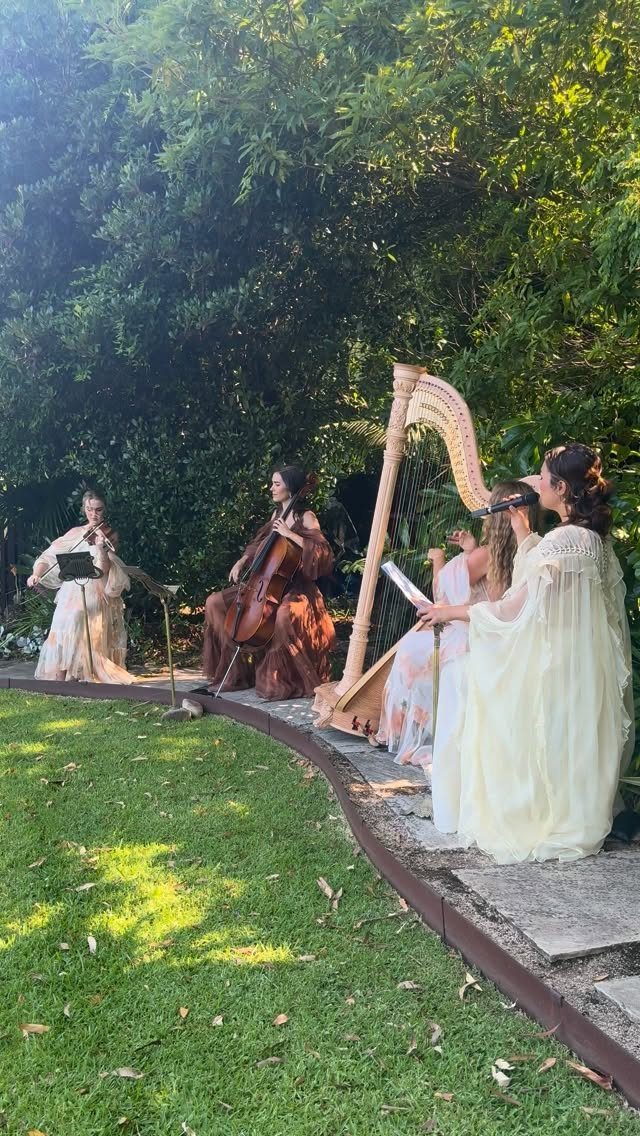
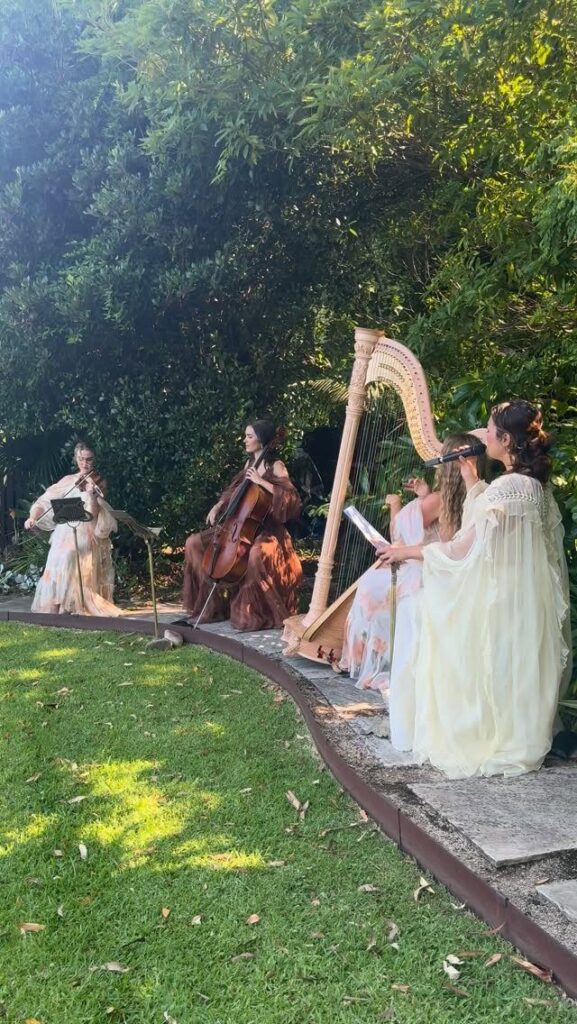
A string trio with a harp, or a harp, cello and flute, gives cocktail hour a sound that sits under conversation instead of competing with it.
Guests are moving, finding drinks and hugging relatives, so instrumental music with no vocals keeps the volume low.
I would book the players for the full hour and ask for a mix of familiar pop and love songs arranged for strings. Guests recognize them without stopping to listen.
An outdoor patio or garden also needs a shaded spot for the musicians, since instruments dislike sun.
2. Acoustic and Indie Songs
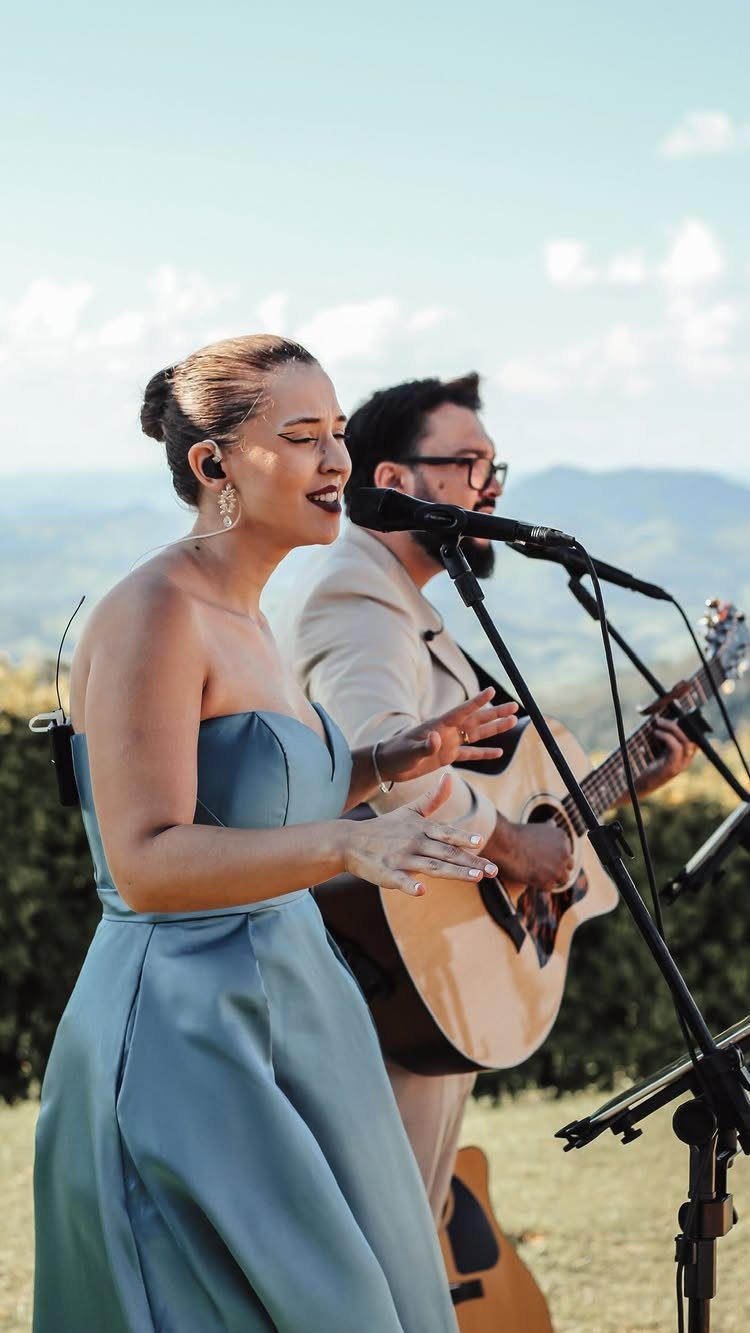
Singer and guitarist: that pairing is the easiest way to give a ceremony a modern, personal sound. Soft indie and acoustic songs carry emotion with very little production, so one voice and one guitar can fill an outdoor space.
Pick lyrics you would be happy to hear while standing at the altar, then ask the duo to play the slowest version of each. A song you love on a record often needs a new arrangement for a guitar.
Send the full song list well before the day so they can rehearse it.
3. Pre-Wedding Ceremony Music
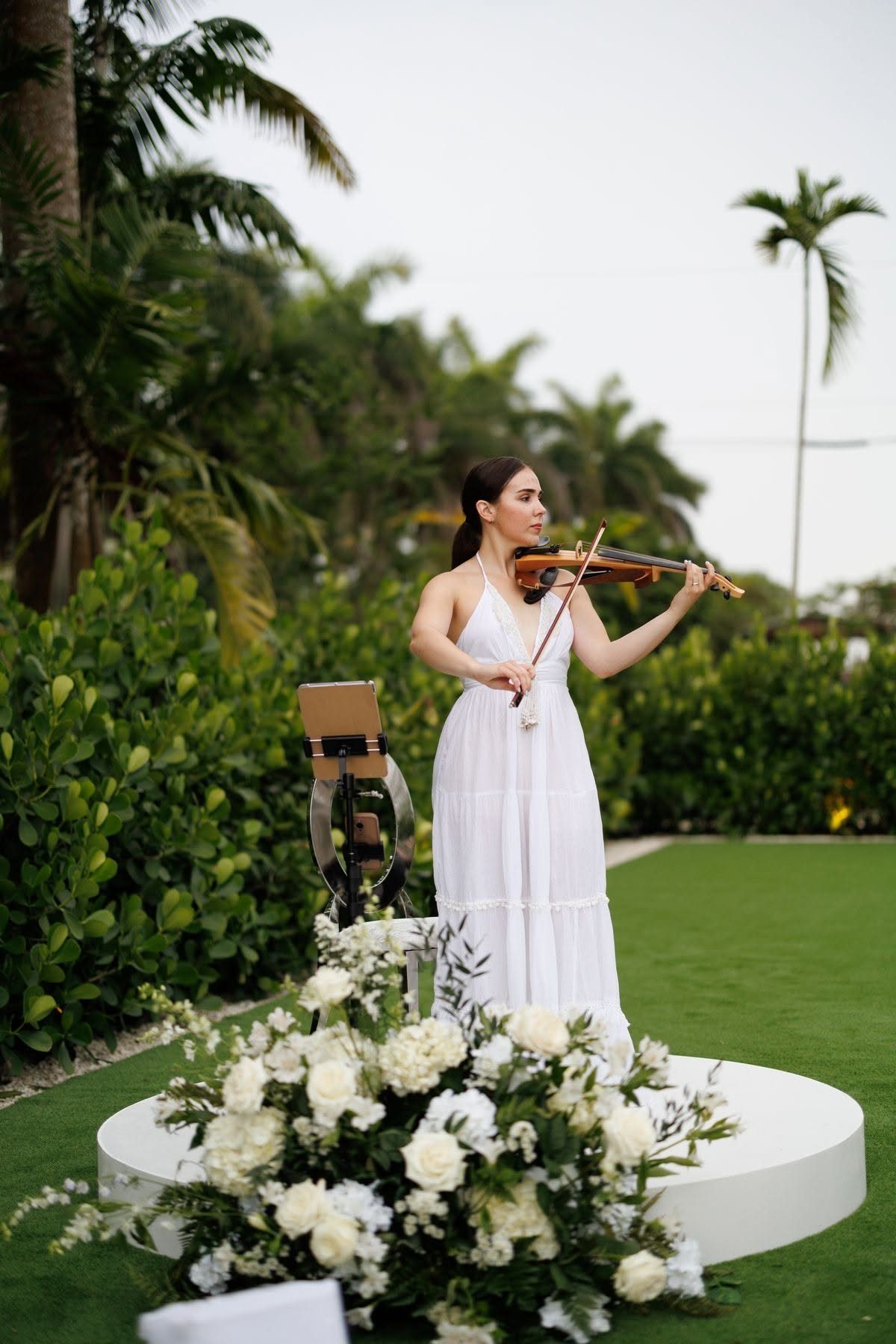
Guests arrive over a stretch, and a solo violinist fills that time without anyone feeling watched. Soft, unobtrusive music tells people to sit down and settle in, and it never asks for attention.
I like instrumental versions of songs you love, played quietly. Guests hum along without knowing why.
Place the musician where arriving guests pass but not directly beside the seating, so the sound drifts instead of pressing. Ask for a short break between pieces, because silence between songs feels natural at this point.
Working with Wedding Musicians
Decide how the music will be played before you finalize a single song, because the format shapes the list. A jazz trio nails the vintage vibe but won’t give you note-perfect versions of current radio hits.
Hire people who already play weddings.
Mixing live and recorded music is a smart way to spend a limited budget. Live strings bring ceremony weight, then hand off to a DJ who knows how to hold a dance floor past midnight.
A good DJ also reads the crowd, blends genres and times the big moments. If you want custom song edits or help with the timeline, ask about them before you sign.
Frequently Asked Questions
What is a great wedding song?
The words matter more than the melody: choose a song whose lyrics mean something when spoken at an altar.
For a ceremony, soft indie and acoustic songs work well because one voice and one guitar carry plenty of emotion. Request a slower tempo from your musicians, since recorded versions often move too fast for a processional.
What is the song played at weddings called?
There is no single name; they are called ceremony or reception songs, depending on when they play.
Ceremony music runs in stages: a prelude while guests arrive and find seats (usually 15–30 minutes before the start), a processional as the wedding party enters, interludes during the signing, a recessional as the couple leaves, and a postlude as guests exit.
How do I create a good wedding playlist?
Pick your format first, then build the list around what that format does well.
Live jazz players bring warmth to older standards but can’t reproduce Top 40 tracks note for note. Split your budget between live ceremony music and a recorded reception, which gives you strings for the vows and a full dance set later.
What kind of music works for cocktail hour after the ceremony?
Instrumental pieces without lyrics, like a string quartet or woodwind group, fill space without pulling attention from conversation.
Book musicians for the full hour and request familiar melodies arranged for their instruments, so guests hear songs they know without turning to look. If the setting is outdoors, give the musicians a shaded spot, since instruments dislike sun.
What music should play while guests are arriving at the ceremony?
A solo string player running through instrumental covers keeps things quiet while the room fills. Position the player along the entry path rather than next to the chairs, and ask them to pause briefly between songs.
Should I hire a DJ or live musicians for my wedding?
Split the day between live and recorded: hire musicians for the ceremony, then bring in a DJ once dancing starts. Ask upfront if they can edit songs to your preferred length or help sequence the evening’s events.