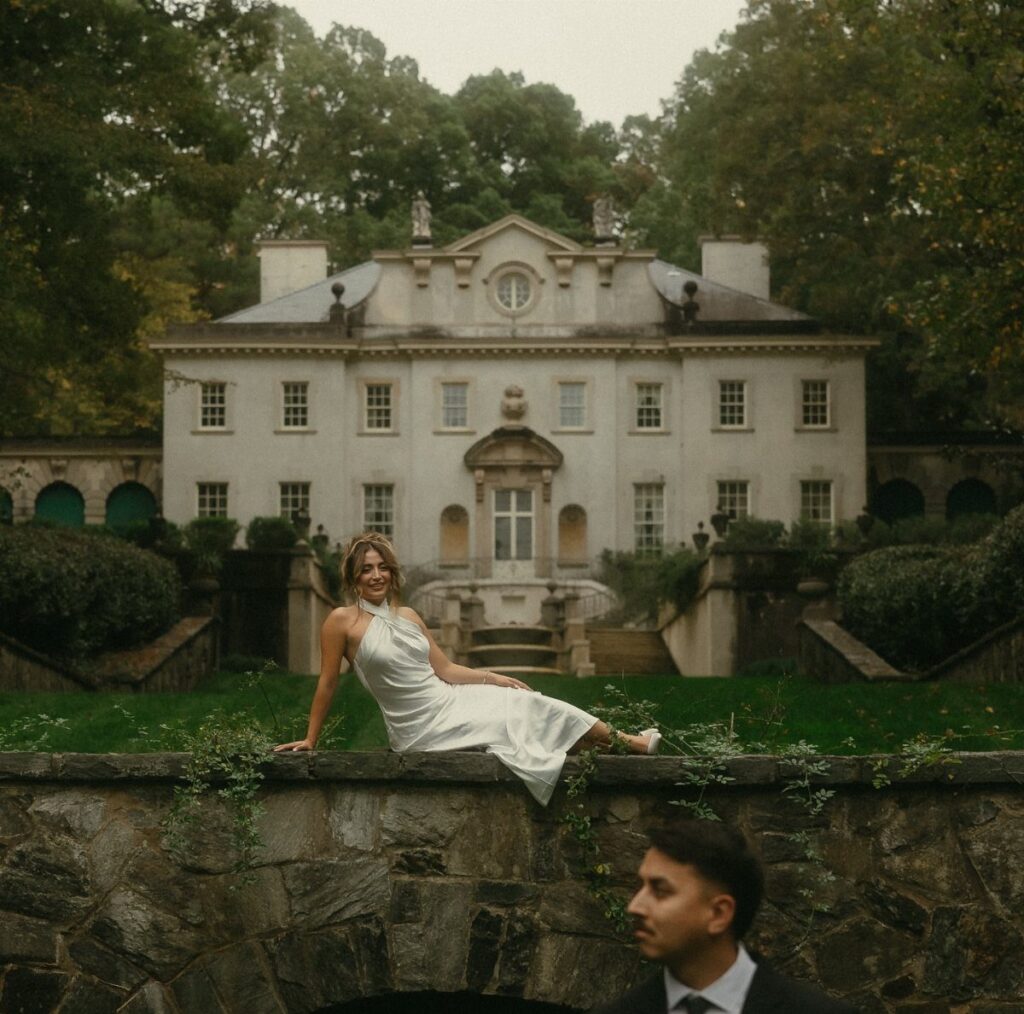
Most of these ideas cost little beyond a good eye: black and white photos, vintage clothing tailored to fit, or a dark suit paired with a light dress.
The expensive one depends on access, and that is the luxury yacht, which usually means paying for a boat and getting permission to shoot on it.
Your location decides which idea is yours, because a stone building, a lake or an old interior each suits a different look, and the venue’s rules and fees set the real price. Pick the place first, then the photographer.
1. Old Money Aesthetic
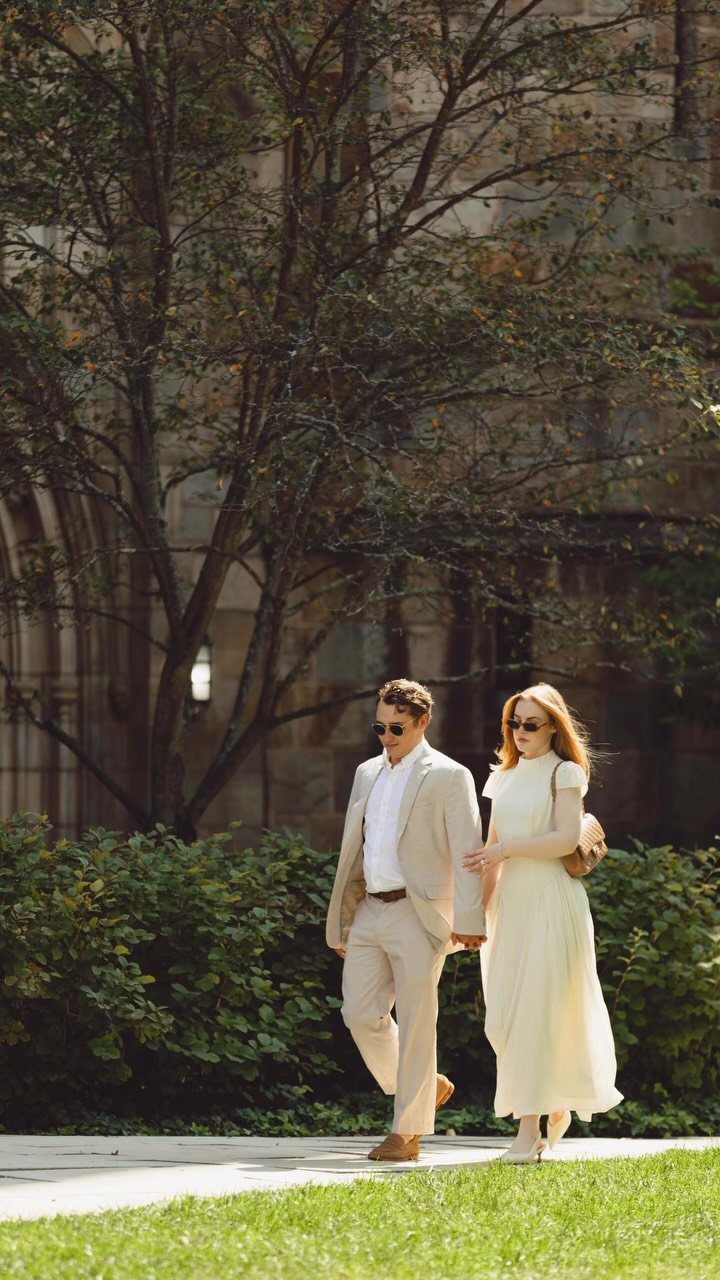
Cream, beige and white do most of the work here. Keep clothing, flowers, and setting inside one soft palette, like cream, camel, and navy, and the couple reads as polished without a single logo or loud accent.
Pick a location with age and weight, like a stone building or a big mature tree, and let the two of you walk toward the camera at an unhurried pace.
Hand-holding beats stiff posing. Stay in fabrics that look pressed but relaxed, and skip anything shiny.
2. Black and White Photos
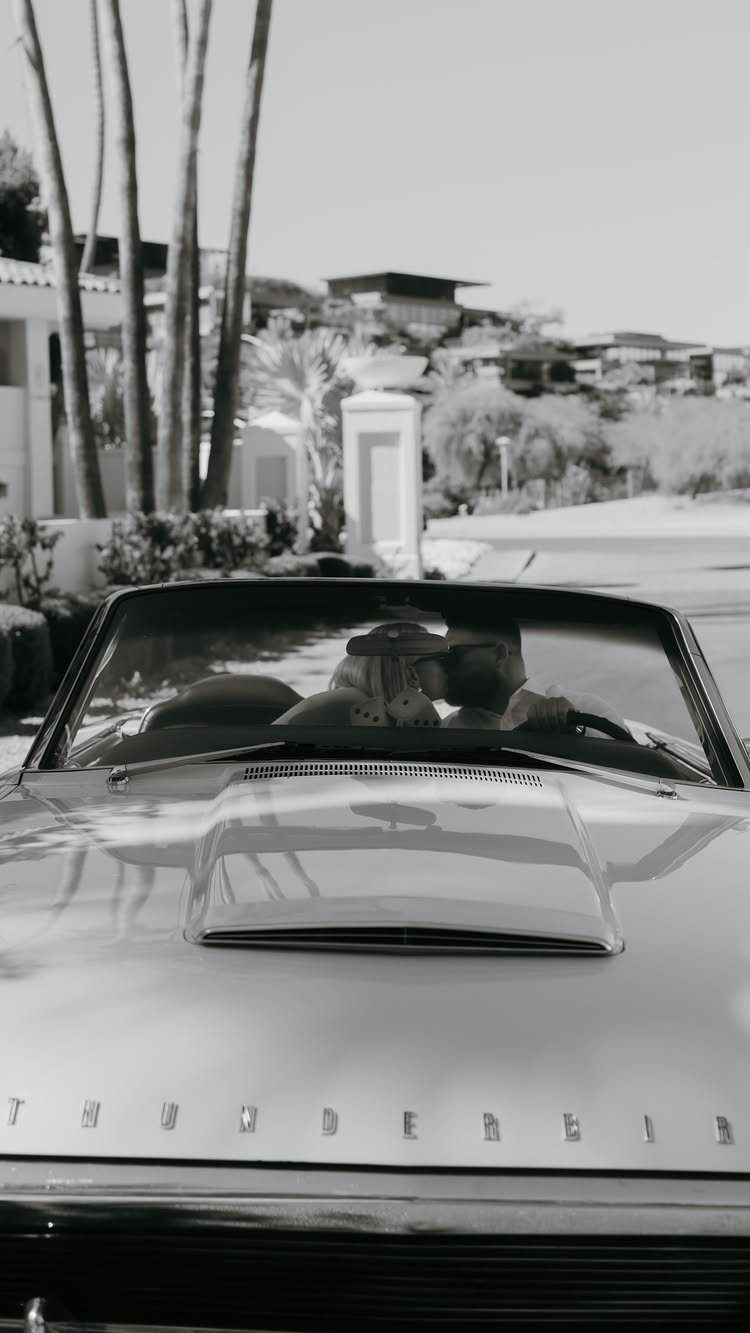
Black and white strips away color, so the picture lives on expression, light and shape.
A kiss in a vintage convertible under palm trees is a strong subject for it, because the car’s curves and chrome hold up without any help.
Ask your photographer to deliver a few frames in monochrome rather than converting everything.
I’d pick the three or four you love most and leave the rest in color. Mixing the two keeps the set from feeling like one long filter.
3. Vintage Clothing
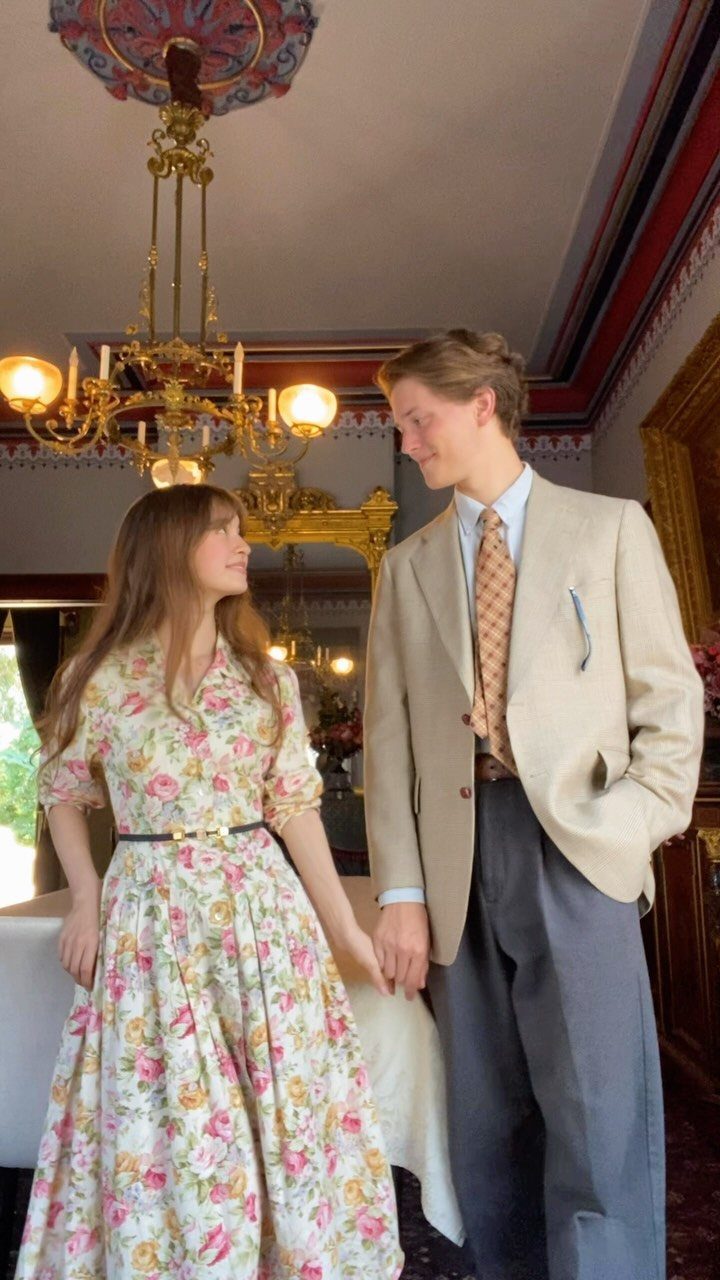
A floral dress and a blazer with a tie, set against a gold chandelier, already say "another era" before anyone checks the date. Choose one decade, such as the 1940s or the 1990s, and commit to it.
Thrift and vintage shops are where I’d start, and tailoring a secondhand piece costs far less than buying new.
Keep accessories period-correct and few. If the room is ornate, let the clothes stay simple so neither one fights the other.
4. Intimate Poses
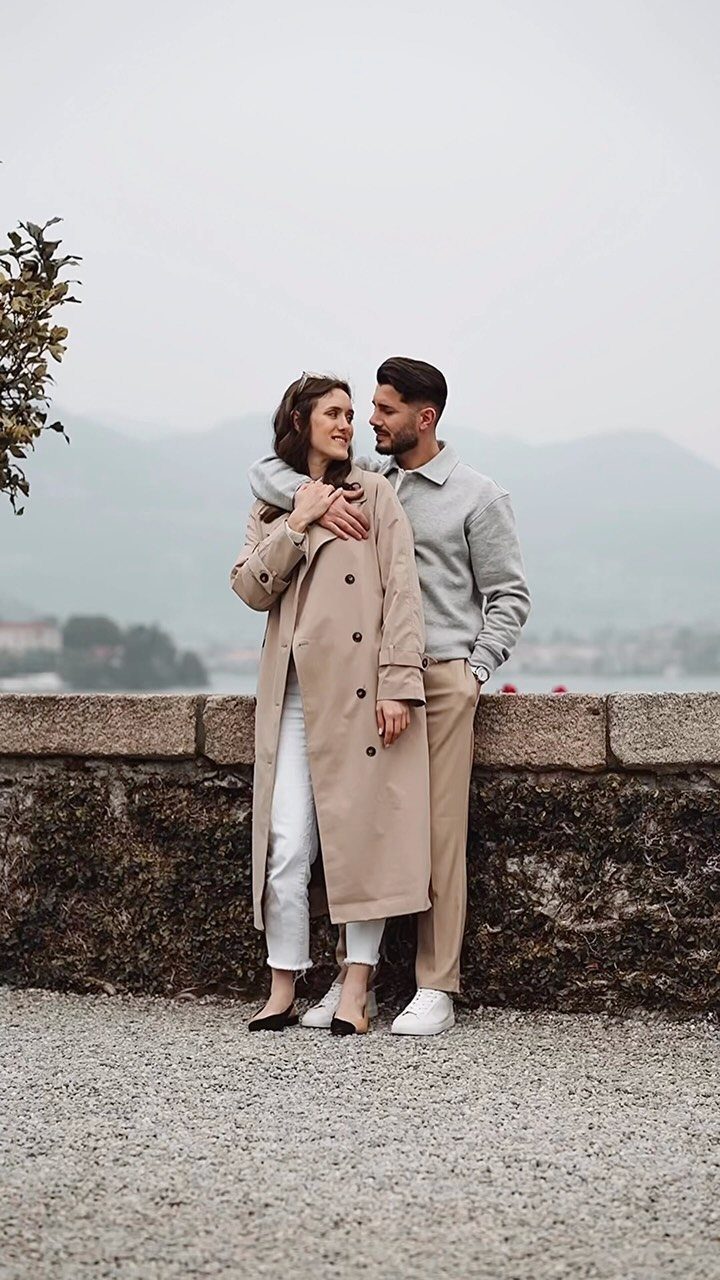
Closeness is the whole assignment: foreheads nearly touching, arms wrapped, faces turned toward each other instead of the lens. A stone wall gives you something to lean on, which makes holding the pose far easier.
Neutral, classic clothing keeps the focus on the embrace.
A misty lake and mountains behind you add depth, though you can get the same calm from any quiet backdrop. Take a slow breath between frames so the moment doesn’t turn rigid.
5. Dark Suits with Light Dresses
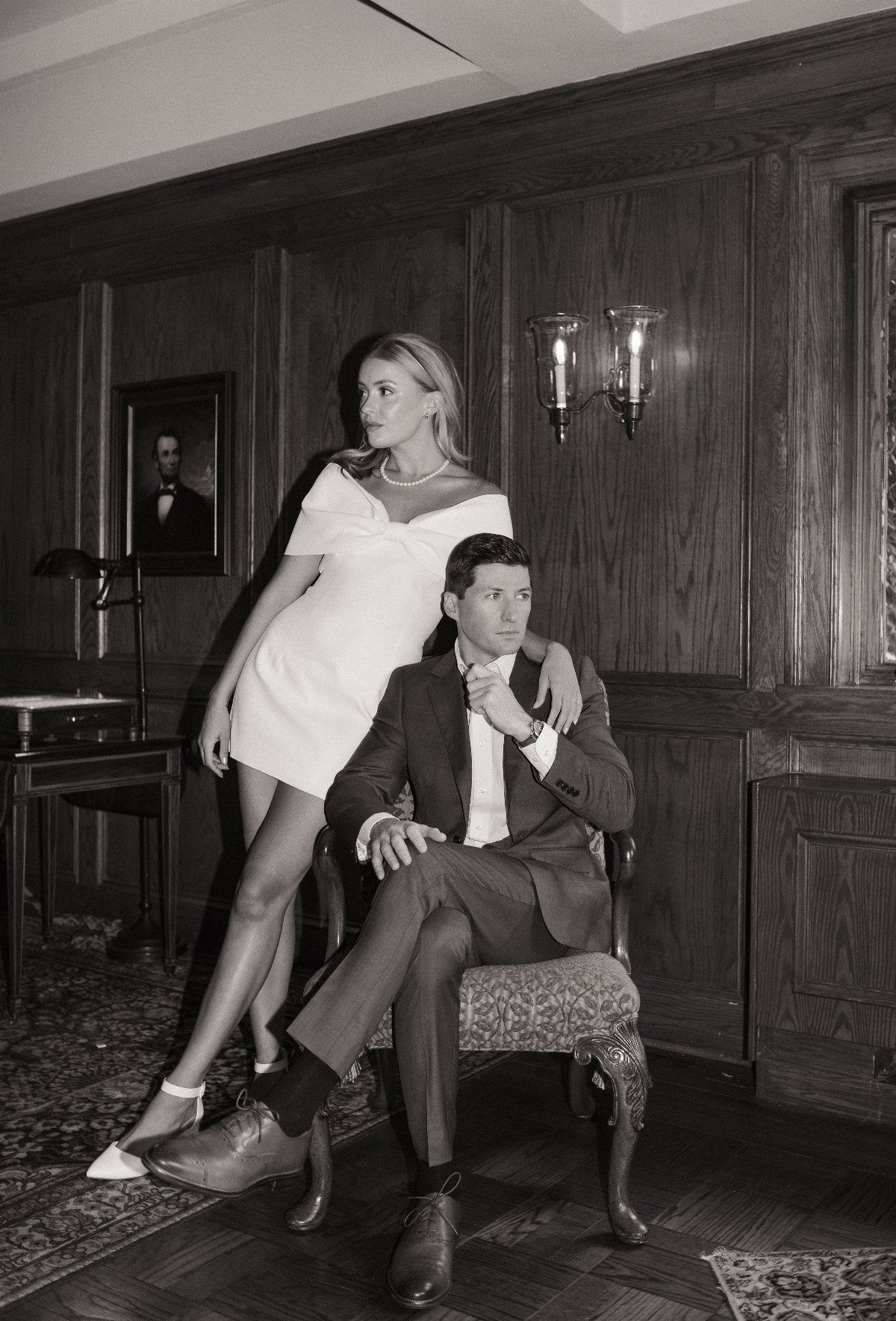
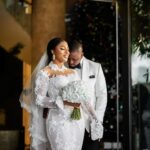
A dark suit beside a white dress is the simplest contrast in formalwear, and it looks sharp in black and white. Wood paneling and a portrait on the wall add the sense of an old library or private club.
Ask about interior locations early, since many need permission.
Have the suit tailored so the shoulders and sleeve length sit cleanly, because a dark fabric shows every wrinkle. Keep the dress simple so the pairing stays the star.
6. Luxury Yachts
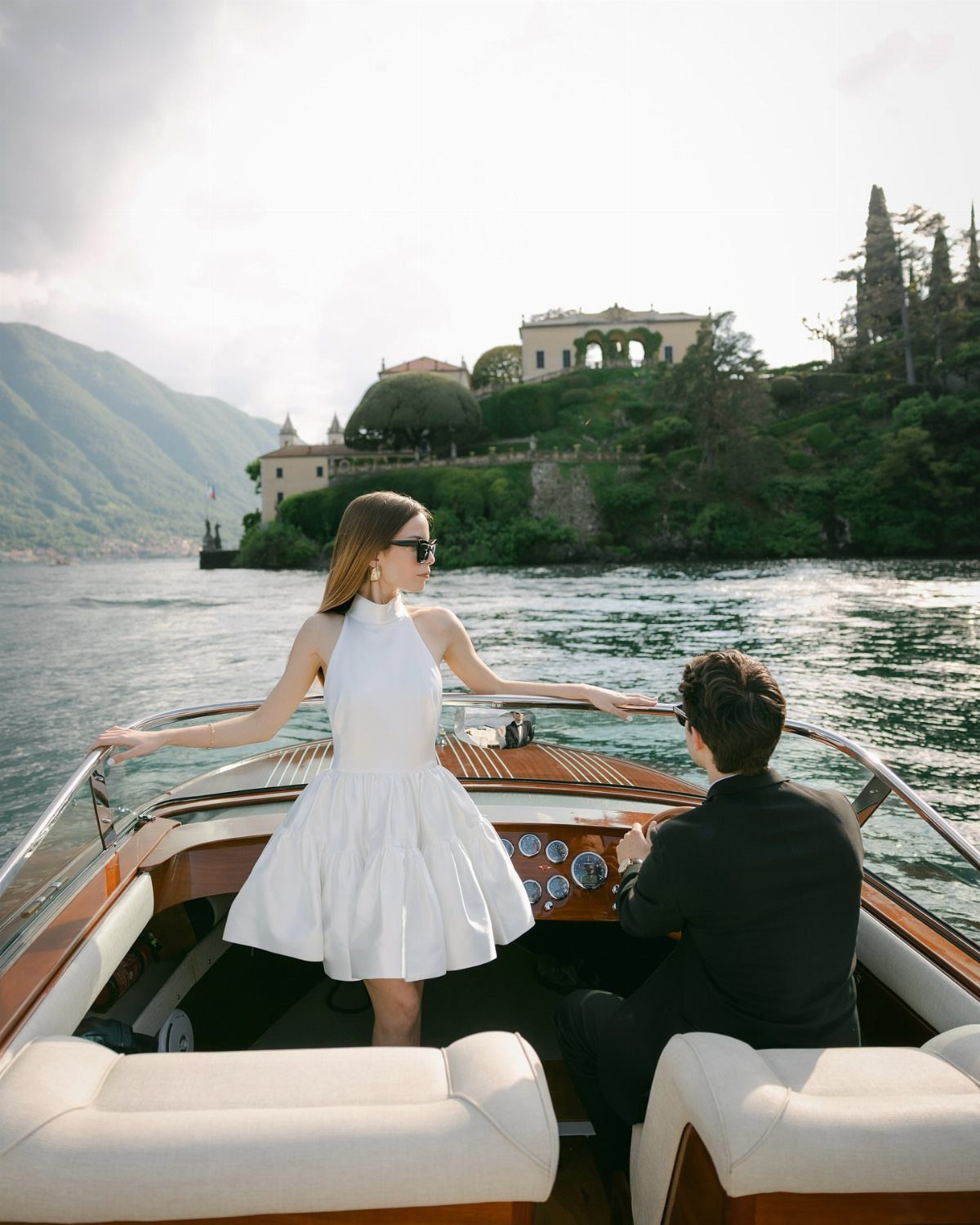
A wooden motorboat on a lake, with mountains and a villa behind it, gives you the yacht feeling without needing an ocean liner. A white dress and a suit look natural against the water and varnished wood.
Boat access is the real cost here, so ask about rental or a friend’s boat well ahead.
Confirm with your photographer that they’re comfortable shooting on the water. If a yacht is out of budget, a dock with a classic boat nearby can still carry the look.
7. Candid Moments
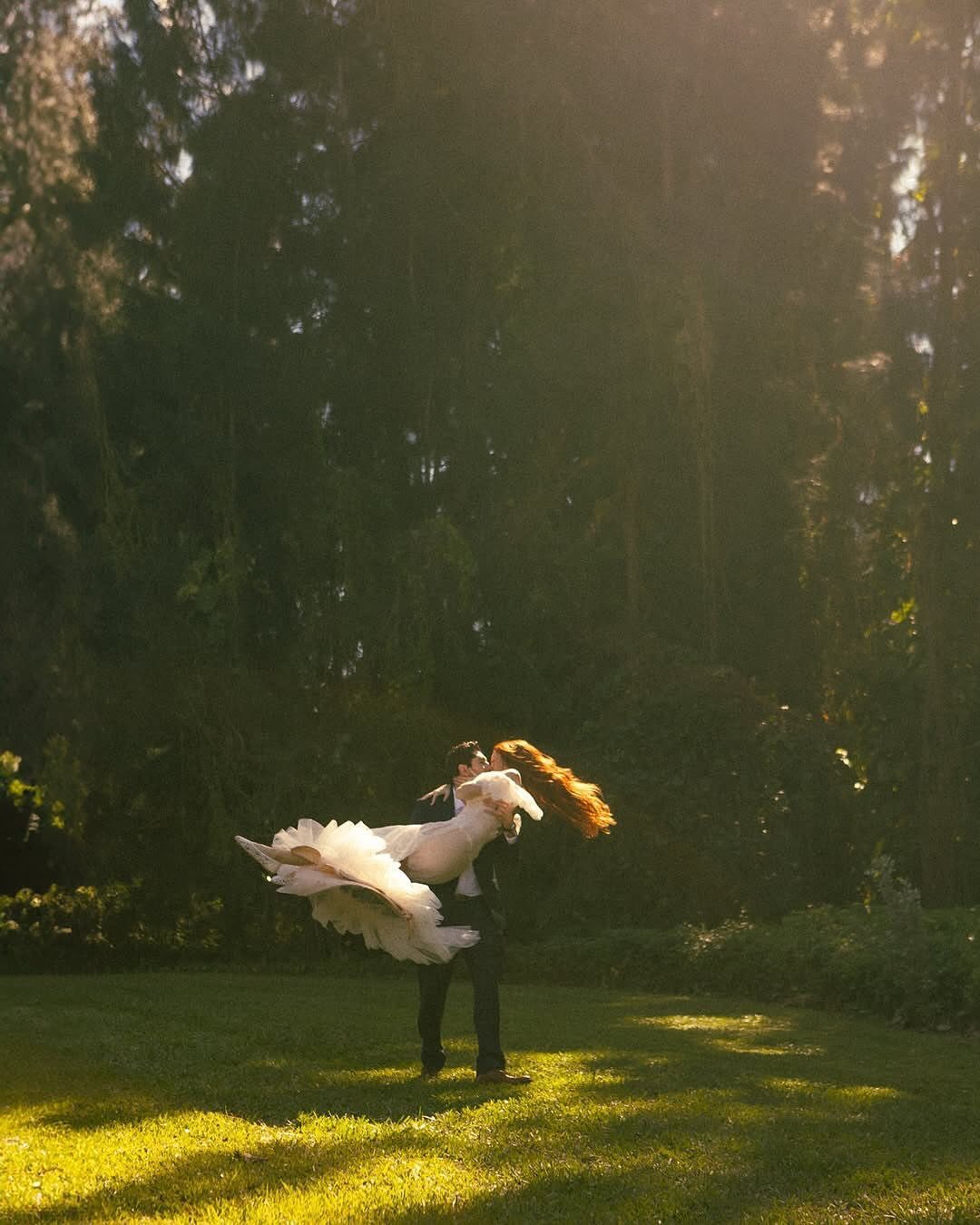
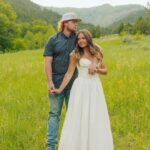
A lift and a kiss in a sunlit, wooded field catch you both mid-motion, not holding still for the shutter. Movement is what separates a candid frame from a posed one.
Pick a spot with open light and room to move, then tell your photographer you want a few unplanned stretches.
I’d skip the "say cheese" cue entirely. Try a lift, a spin, or a walk where one of you whispers something ridiculous, and keep the camera running.
A dark suit and a white dress keep the frame classic even when the action gets loose. Expect a handful of keepers from a long burst, so shoot more than feels reasonable.
Styling Tips for Engagement Photos
Pearls are the cheapest way to signal age and polish. A single strand at the neckline does more than a pile of jewelry, so pick one statement piece and leave the rest bare.
For hair, go classic: a low chignon, soft waves, or a sleek part. Makeup should look like skin with a defined brow and a muted lip, since heavy contour and glitter read modern in print.
Mood boards help.
One photographer I’d trust to plan a retro shoot starts with a shared board and then brings in a few trusted vendors, so hair, makeup and wardrobe agree before the day. Do the same with whoever styles you.
Check that every accessory belongs to the same palette. Black, white, blue and emerald green worked well together in one 1940s-inspired set.
Choosing the Right Photographer
Look at full galleries, not highlight reels. Film-style editorial work, with black-and-white frames and moody interiors, is the sign that a photographer already shoots this way.
Search for terms like "film editorial" or "vintage" along with your region. Photographers who list editorial work in your area are often used to asking venues for access to wood-paneled rooms and libraries.
Then ask direct questions. Do they shoot actual film or edit digital files to look like it?
How many frames will you get in black and white? A photographer who answers specifically is worth a call.
Importance of Location
Walk the place yourself first, and only then hire a photographer.
Walk it at the hour you plan to shoot, because light inside an old building changes quickly and a dim room can force a high-ISO, grainy look you may not want.
Ask the venue about fees and permits in writing. Private clubs, libraries and historic buildings often have rules about tripods, lighting and how many people can be inside.
If the budget is tight, a public spot with real character, like a quiet garden path or a historic street, can cost nothing. Go early on a weekday, when crowds are thin.