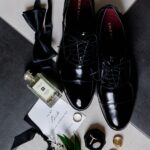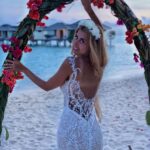
Whether you want to be directed or left alone decides which of these styles is yours.
The list runs from Low Light and Shadows, where one dim source does the work, to Aerial Wedding Photography and Motion Blur Photography, with Under the Veil Shots and Black and White Film in between.
Freezing under a lens points you toward Lifestyle Wedding Photography and the candid moments in Capturing Authentic Moments; if you like being directed, Editorial and Portrait are the better fit.
Most cost little beyond the photographer’s skill, since one outfit and one spot can carry several of them.
1. Low Light and Shadows
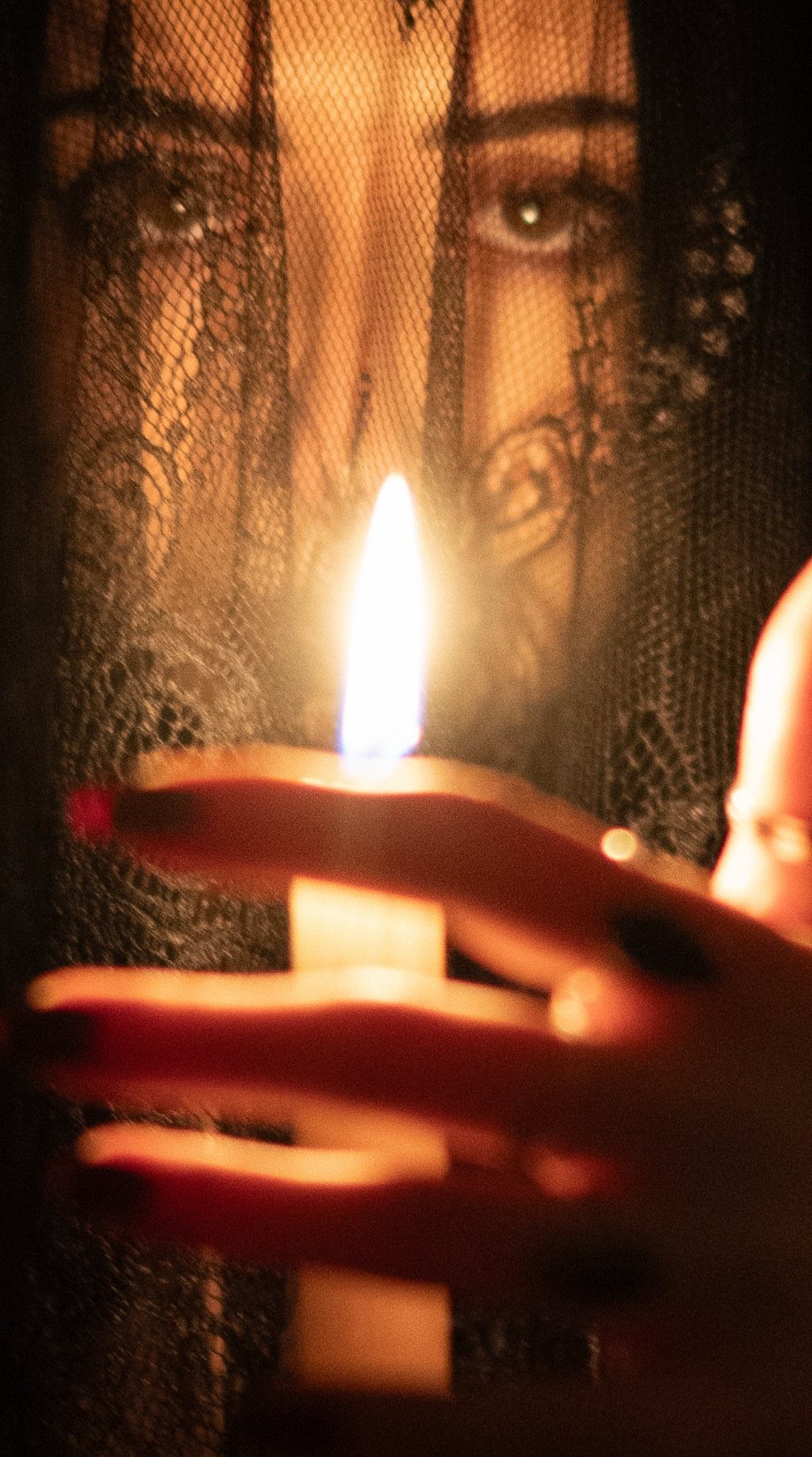
A single candle can be the only light source, and that is the whole idea.
Ask your photographer whether they shoot comfortably in the dark, and look at their past low-light work before you book. Grain and soft focus come with the territory, so decide ahead of time whether you like that look.
A veil or lace adds texture the flame can catch. Plan a few minutes for it away from the reception, since this takes quiet and a dim room.
2. Editorial Wedding Photography
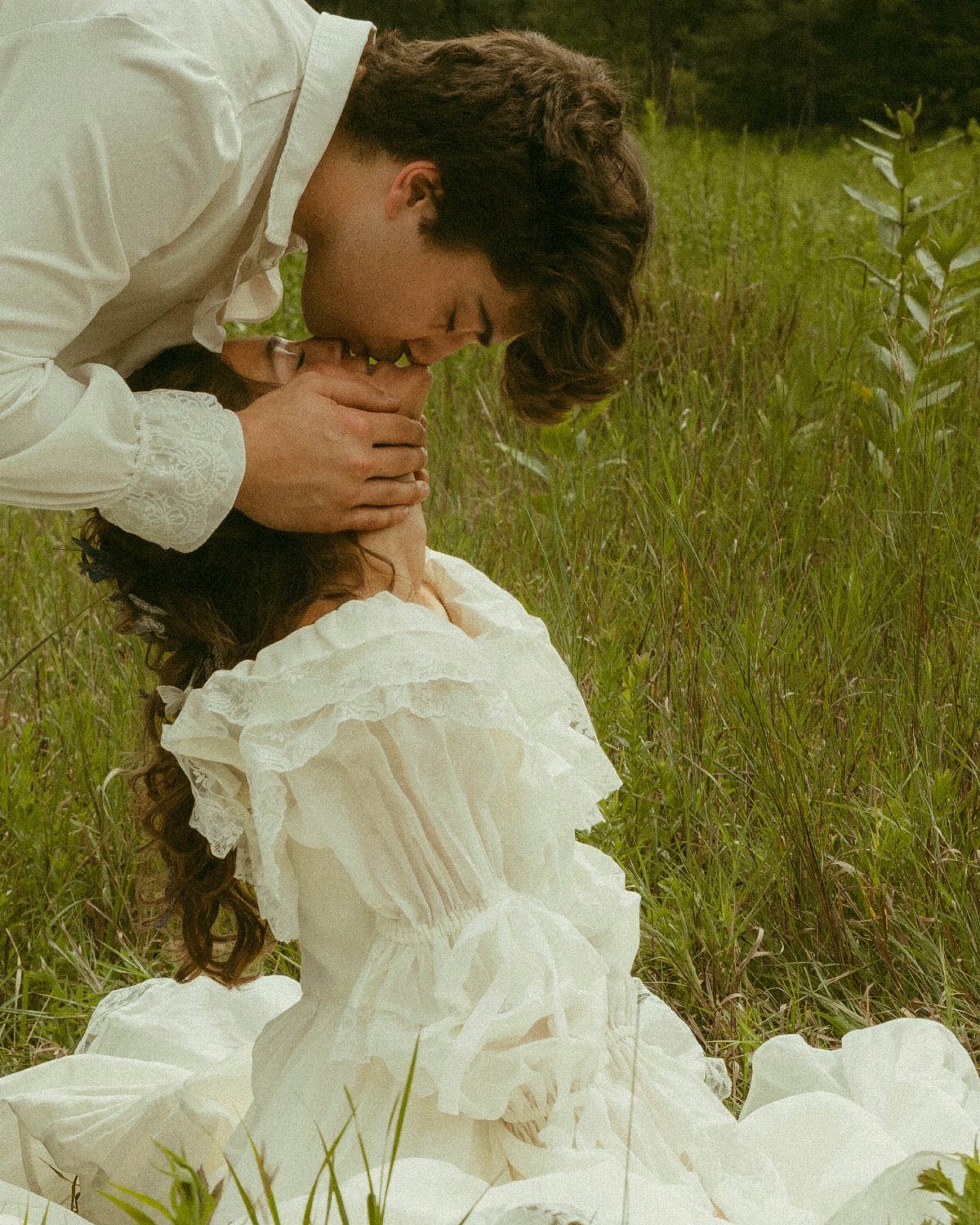
Styling is what separates editorial work from a nice couple portrait. Think of a magazine spread: coordinated wardrobe, a deliberate location, and poses that look composed rather than caught.
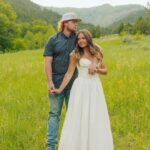
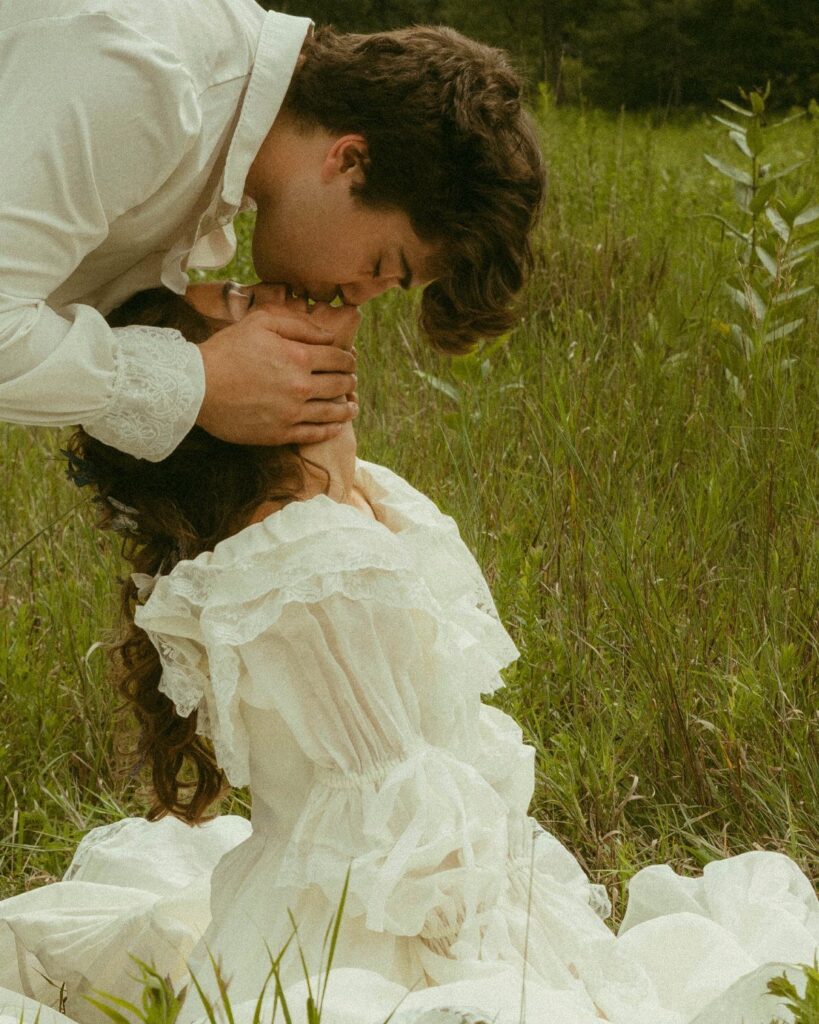
For a budget-minded couple, I like that it can happen in one outfit and one spot. A grassy field costs nothing, and a simple, cohesive palette does more than props.
Tell your photographer you want fashion-style direction, then share a handful of reference images so you both aim at the same look.
Expect it to feel posed, which suits couples who enjoy being directed more than those who want to be ignored.
3. Black and White Film
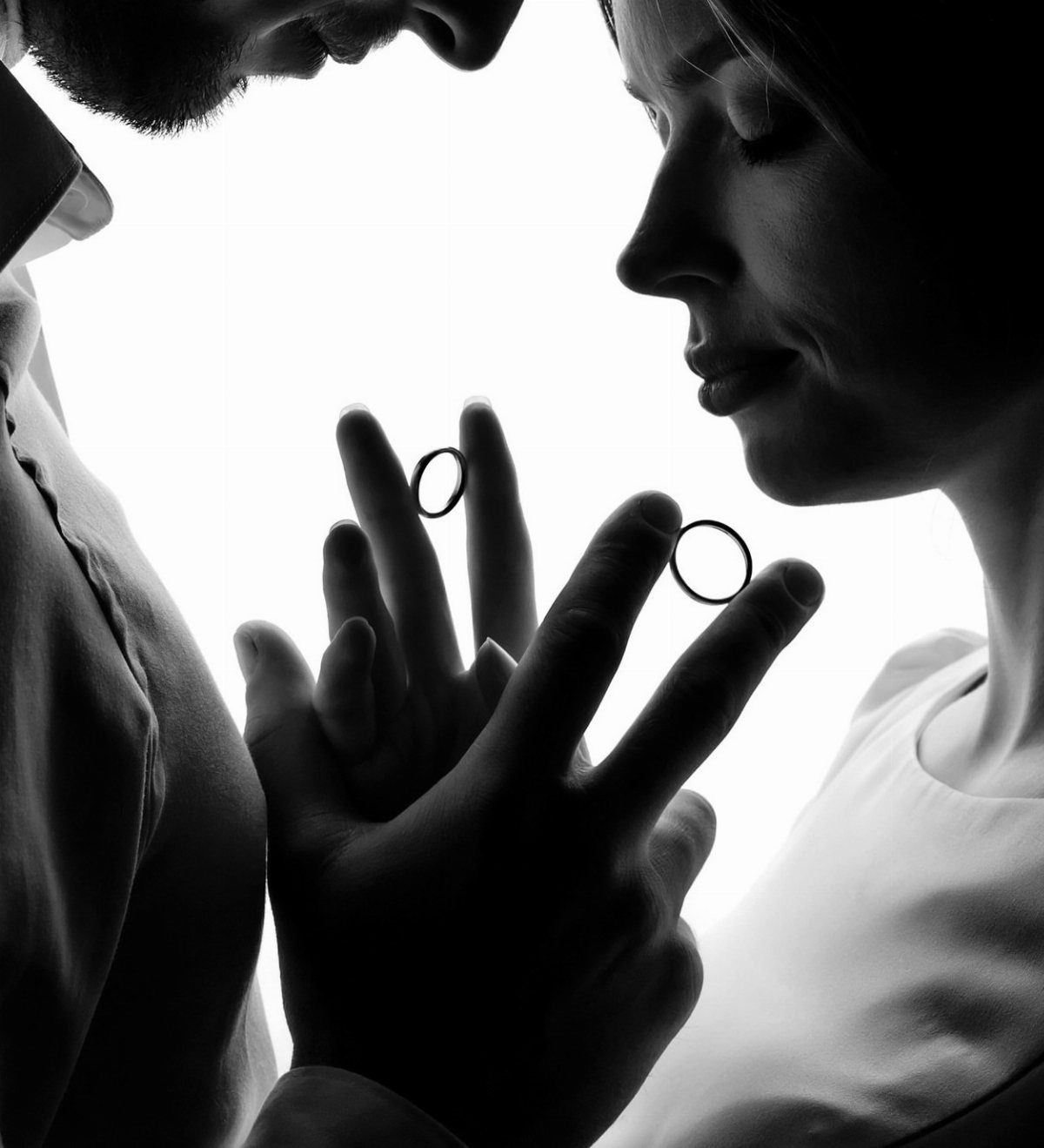
Shooting in black and white strips out color, so the eye lands on shape, gesture and expression.
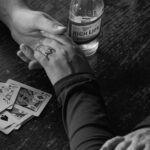
You can run film in a documentary style, so candid moments and quiet detail shots all sit together in one consistent set. That consistency is the real draw: no clashing flower colors or dress tones to fight over.
Ask whether your photographer shoots actual film or converts digital files, since the two feel different. Film also means fewer frames per roll, so I would give them a short list of must-have moments.
4. Lifestyle Wedding Photography
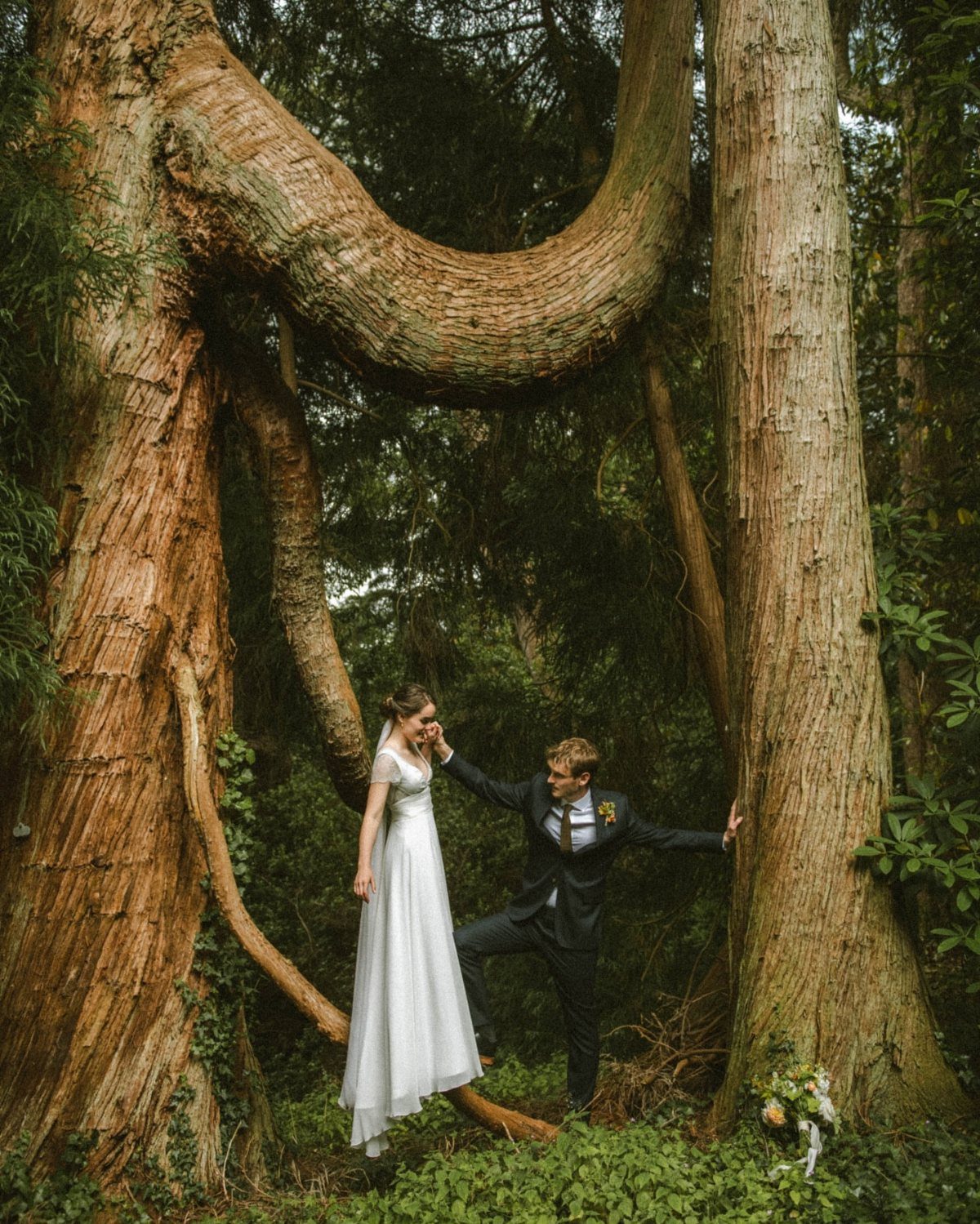
Half the frames are caught, half are set up, and good lifestyle work blends them so you cannot tell which is which.
Lifestyle work mixes candid and directed frames, and the directed side is a simple setup: pick one spot with a strong shape, like a large curved tree, and let the two of you settle in close and relaxed.
I like it for couples who dread stiff posing but still want a few portraits worth framing. The photographer gives light prompts, such as walking or whispering something, then steps back.
Before booking, ask how much direction they give. Pick a location with room to wander, like woods, so the candid moments have somewhere to happen.
5. Portrait Wedding Photography
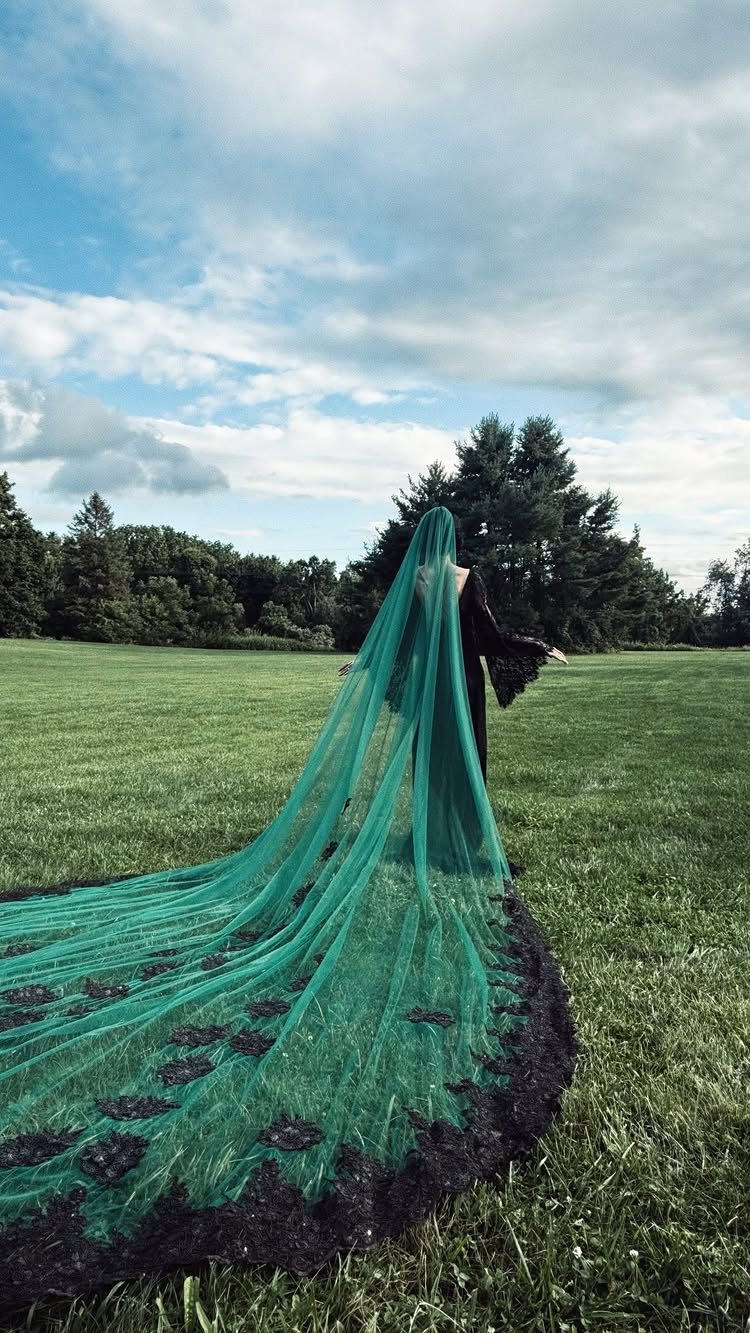
Portraits get unusual when the session is built around something you actually do, not just where you stand. A long veil in an open field already says more than a studio backdrop would.
Choose an activity that fits you both, then tell your photographer so they can scout for it. Veils with lace trim move well outdoors, so a breezy spot helps.
I would give this its own block of time, since portraits tucked into a rushed schedule look rushed. Put it in your timeline before the ceremony or just after.
6. Aerial Wedding Photography
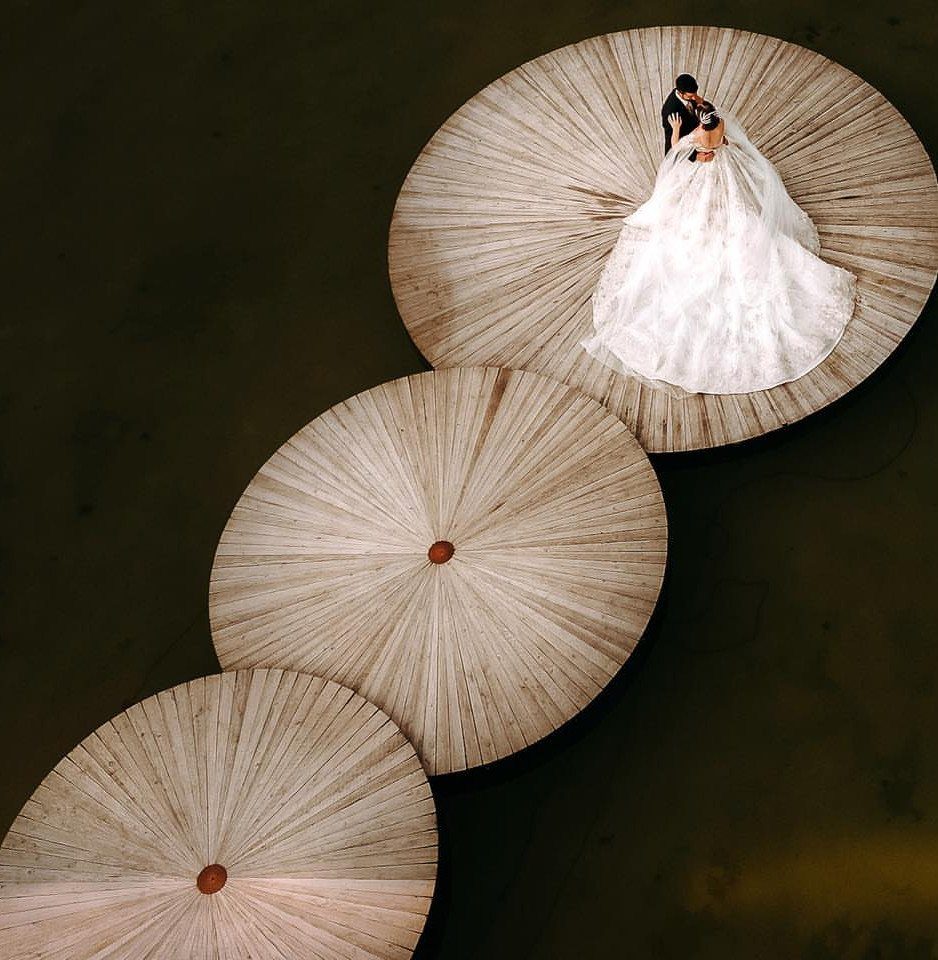
Shot from directly overhead, a couple on a simple platform or any clear shape becomes a graphic pattern, especially when open water or lawn surrounds them, so look for a setting with clean space around you.
That is what a drone adds: a view no one standing on the ground can get.
Hire a photographer who is licensed and insured for drone flight, and ask about it early, since venues sometimes restrict it. Wind and weather can ground the shoot, so build in a backup time.
It is best as a few frames, not the whole album. Venues with striking layouts, like water or open grounds, reward the angle most.
7. Motion Blur Photography
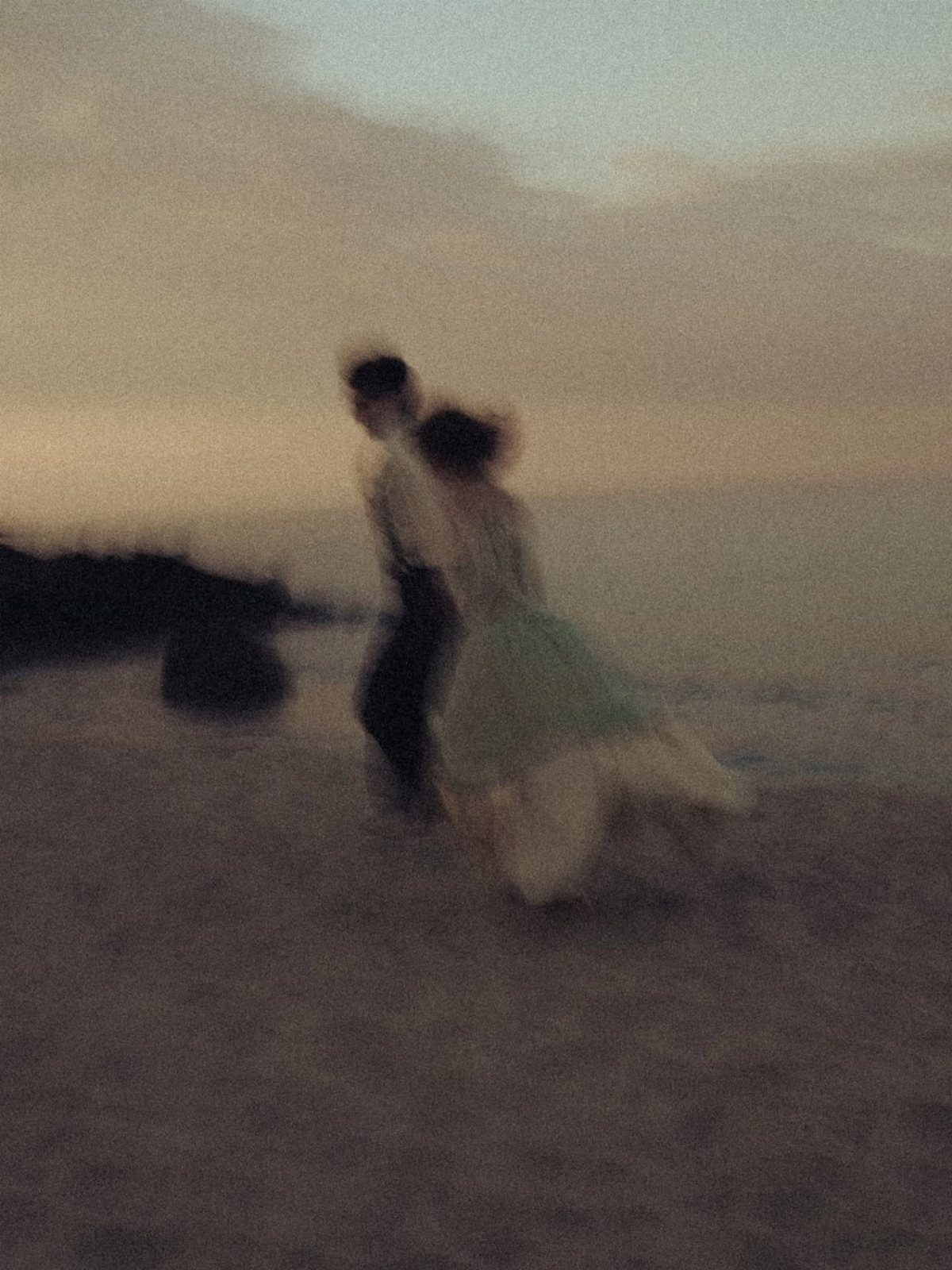
Motion blur trades sharpness for feeling, and a slow dance at dusk is the right moment to spend it on. The grain and smear turn a few seconds of movement into something that reads as memory.
Ask your photographer to use a slower shutter on purpose, and tell them you expect some frames to come out unusable. That is the cost: you get fewer clean keepers from the session.
I would plan a couple of minutes of real dancing, no posing, and keep the dress light and loose so it streaks. Treat it as a few frames, not the whole gallery.
8. Under the Veil Shots
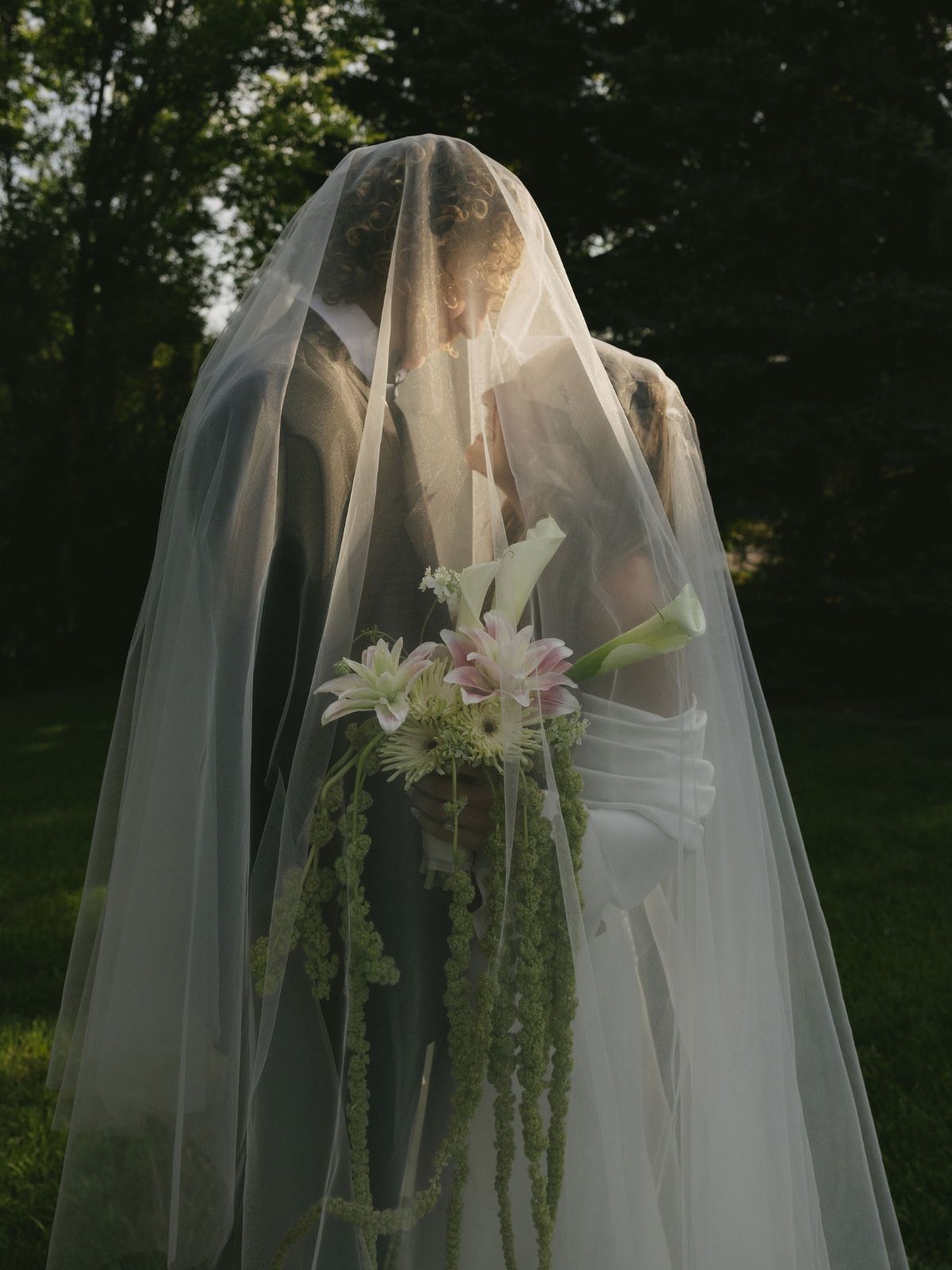
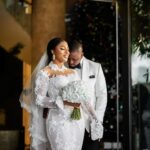
Pick an outdoor spot with a bit of breeze or at least open shade, and have a bridesmaid or your photographer lift and drape the veil so it settles evenly over you both.
A sheer veil works best here, since heavy fabric blocks the light.
Hold the bouquet low and stand close. This one fits easily into portrait time without adding cost.
Choosing a Photography Style
Start with 3 questions, because your answers narrow the field faster than any portfolio. Decide first whether you’d rather have unposed, in-the-moment frames or clean, directed portraits, because that one choice shapes which photographers will suit you.
Do you want a timeless album or a bold, artistic one? Would you rather be guided, or be left alone while the day happens?
Your personality settles most of it.
If you freeze when a camera points at you, lean toward unscripted work. If you like direction, say so plainly and ask for it.
Then think about the feeling you want to see in the gallery. Pick the one or two emotions that matter most, such as joy, calm or a little drama, and tell your photographer in the first conversation.
Combining Styles
Style labels are how photographers market themselves, not fixed boxes. Many of them blend several, so a photographer who calls herself documentary may still deliver a handful of composed, editorial-quality portraits.
That works in your favor. Instead of hunting for a perfect label match, look through full galleries and see whether the mix of candid and posed frames is the mix you want.
Ask directly: "How do you usually combine styles on a wedding day?"
A good answer describes when they step back and when they step in. A vague answer is worth a follow-up before you sign anything.
Capturing Authentic Moments
Genuine moments depend heavily on light, so protect it. Natural light means working with whatever the day gives you, whether that’s bright sun, clouds, fog or evening shadow, and it keeps colors true to how the day looked.
Plan your timeline around it. Schedule portraits for soft morning or twilight light when you can, and don’t fight a cloudy sky; it flatters skin.
For candid frames, give people something to react to: a private vow exchange, a toast, a moment with your parents.
A photographer who anticipates these will catch an unguarded smile or a tear before it passes, and that only happens if the schedule leaves room for them.
Frequently Asked Questions
What if I don’t like my wedding photos?
Prevent it before you book. Before you sign, ask to see 2 or 3 full galleries from real weddings, since a highlight reel hides the dull stretches, and press for specifics on how the photographer balances candids with posed frames.
In your first call, name the one or two moods you want the photos to hold, whether that’s joy, calm or a bit of drama, so the photographer is aiming where you are.
What are some traditional wedding photos?
The classic approach means formal portraits, family lineups that are planned in advance, and a set order of must-have moments.
Think processional, first kiss, cake cutting. A polished, traditional album still suits some couples well, though plenty of people today find the stiffness a poor fit and ask for something looser.
What is non traditional wedding photography?
It is any approach that trades the standard posed lineup for something with more mood or style.
Options include low-light shots lit by a single candle, fashion-style editorial portraits, black and white film, lifestyle work that blends candid and directed frames, drone shots from overhead, and motion blur.