These reception photo ideas range from the easy Table Selfies to a big production like Fireworks Behind the Cake, so you can mix small wins with one or two splurges.
Sparklers, fireworks and late-night frames take more planning than a table selfie, so I’d choose those first and let the simpler ideas fill in around them.
A QR code sign, for example, only works if you’ve tested it on an iPhone and an Android ahead of time, so check the rules and the timeline first, then choose what fits the budget.
1. Reception Detail Shots
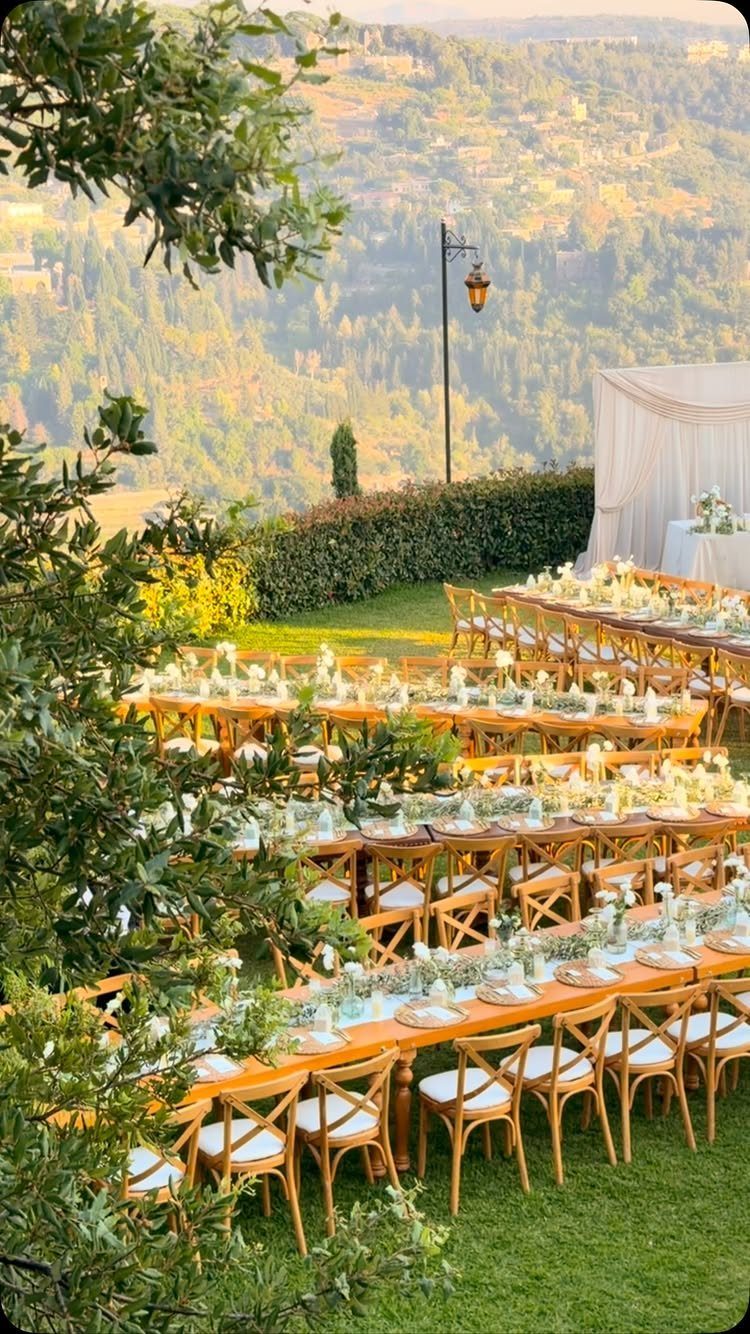
Long tables on open grass reward a wide shot taken before anyone sits down.
Have the room shot while it’s still untouched, ideally before the first guest walks in.
Then ask for a few tight frames of a single place setting. Those are the shots you’ll stare at later, since you were busy greeting people while the room looked its best.
2. Food Displays and Signature Cocktails
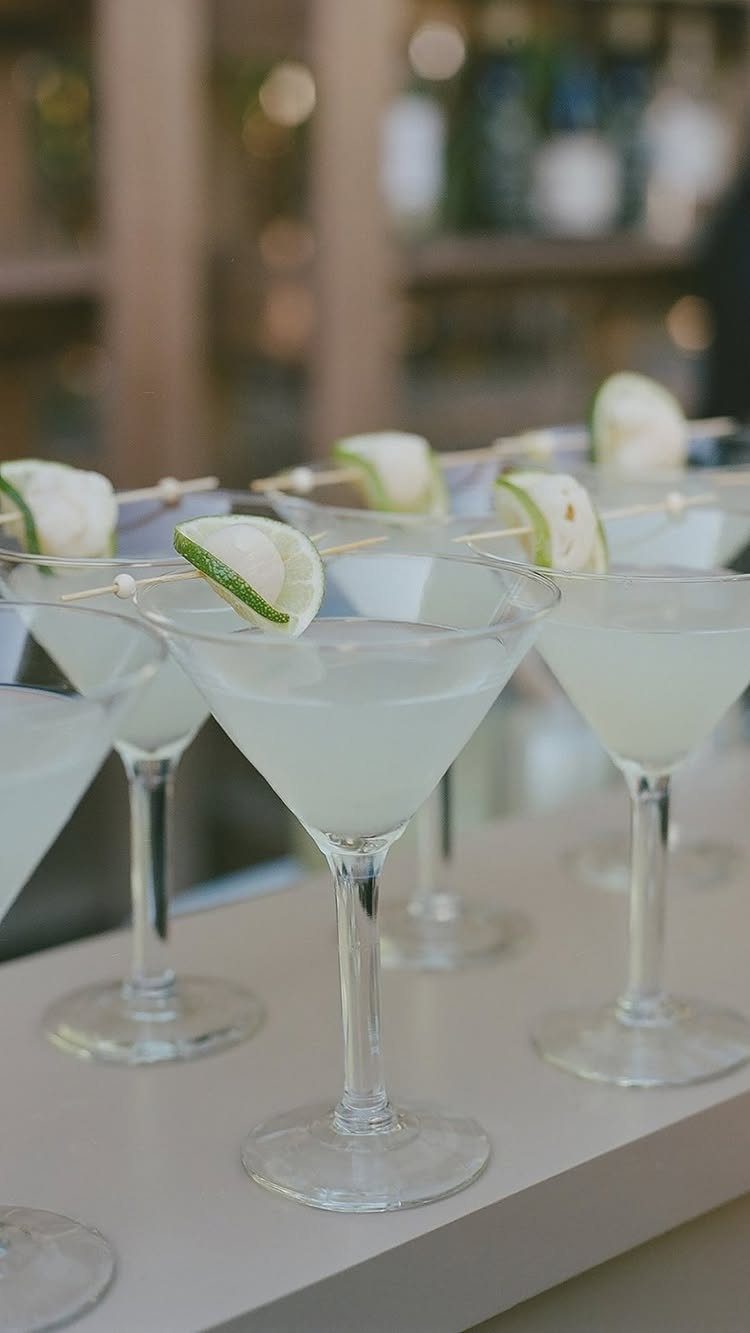
A tray of identical martini glasses already makes a good picture, because repetition does the work.
I’d have the bar finish a full row of drinks before service starts, then give the photographer a few minutes with them on a clean white surface.
Glasses look best before anyone has taken a sip. Do the same for the food tables, untouched.
3. Dance Floor Candids
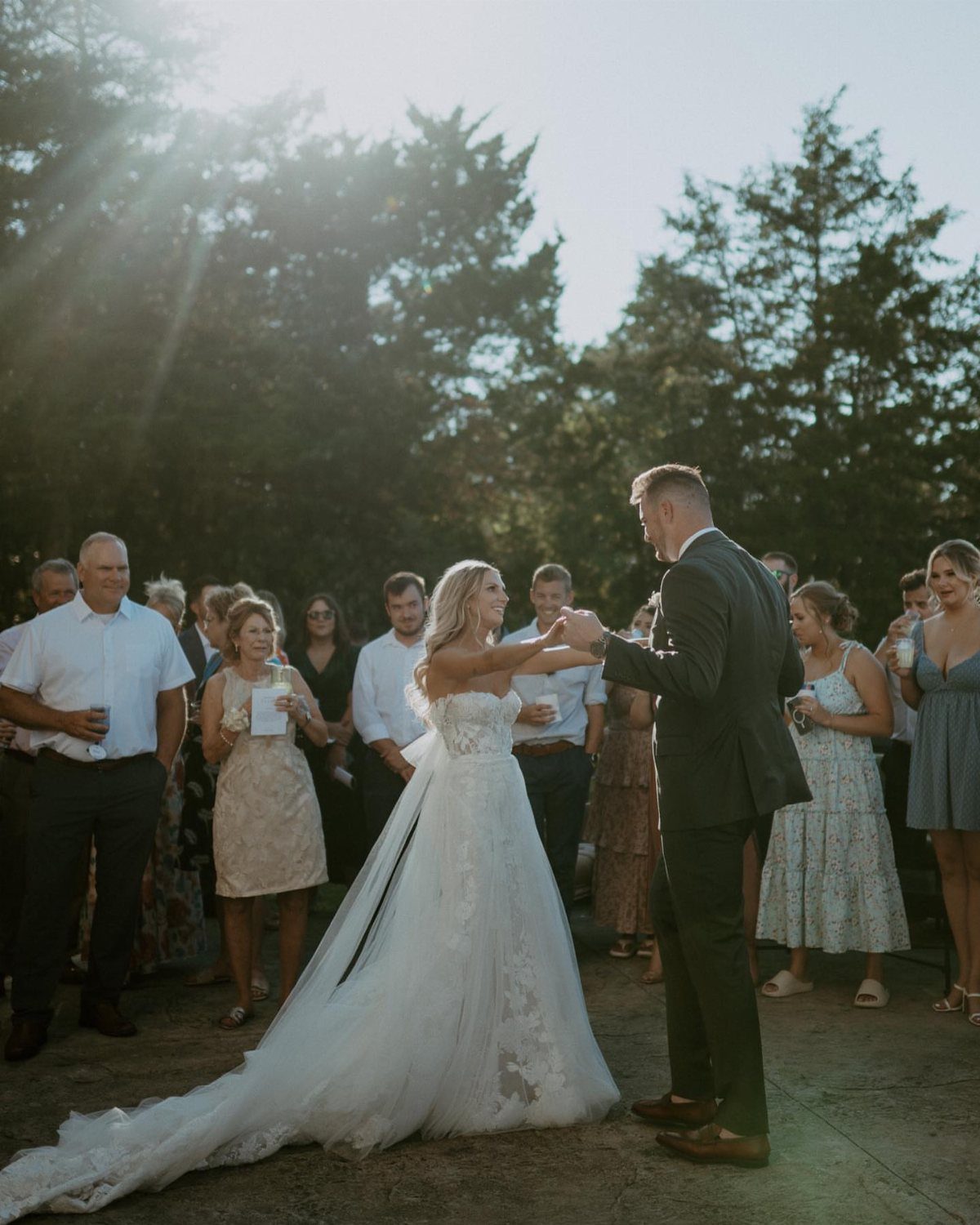
Candids happen when the guests close in around you. Tell the photographer to stay at the edge of the crowd and shoot the faces, not just the couple.
Daylight dancing, like the sun through trees here, is forgiving, so even a casual circle of friends turns into good frames.
I’d pick a song your people know every word to and let it run. A stiff, posed dance never beats the messy one.
4. Golden Hour Portraits
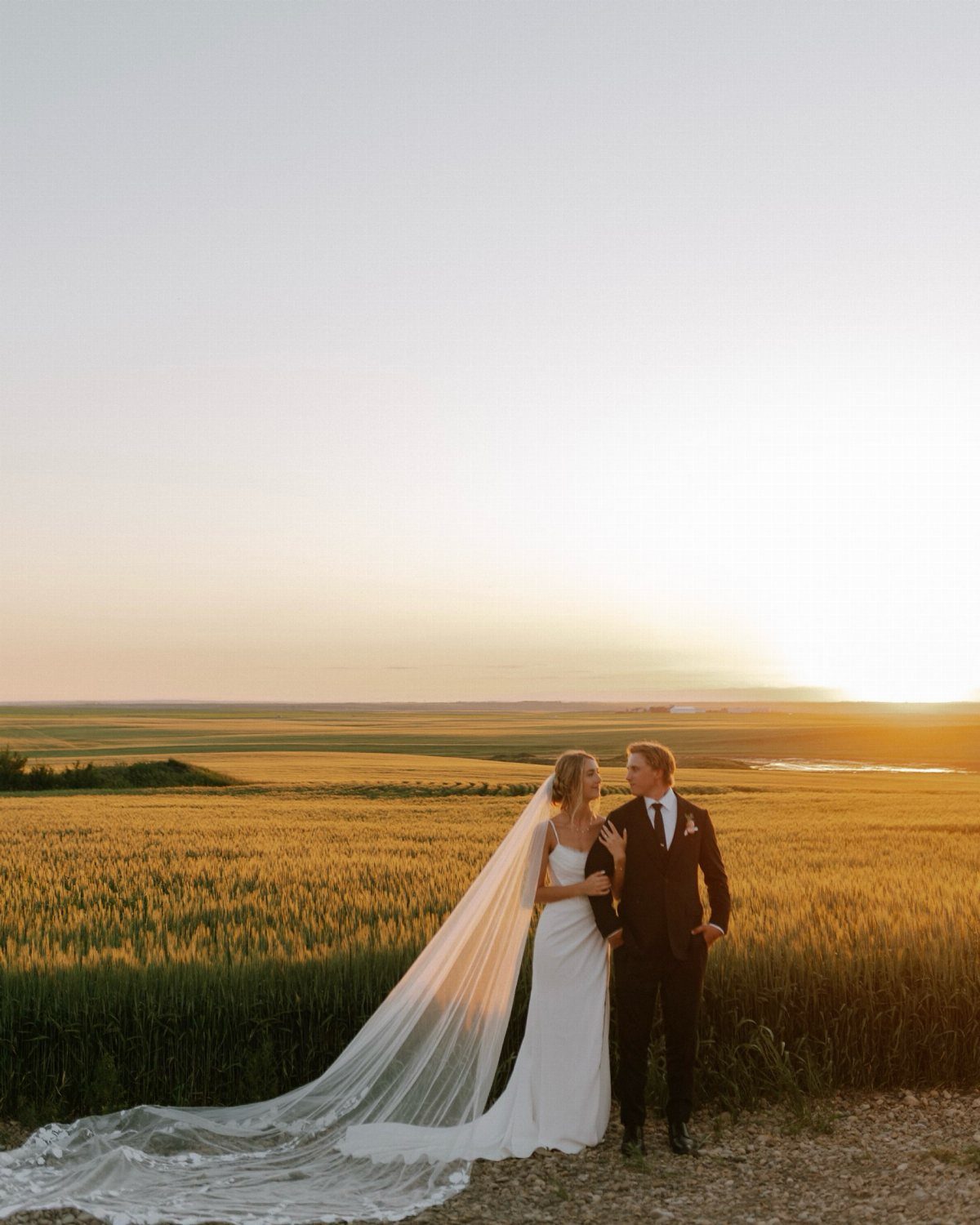
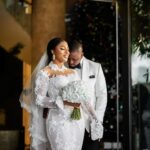
Slip away from your own reception for a few minutes of low sun, and you may walk back with the portraits you love most. A long veil and an open field give the light plenty to work with.
Plan this around the sunset time on your date, and tell the photographer so the timeline holds a gap for it. I’d skip dessert-hour conflicts by scheduling it before the cake.
5. Late-Night Celebrations
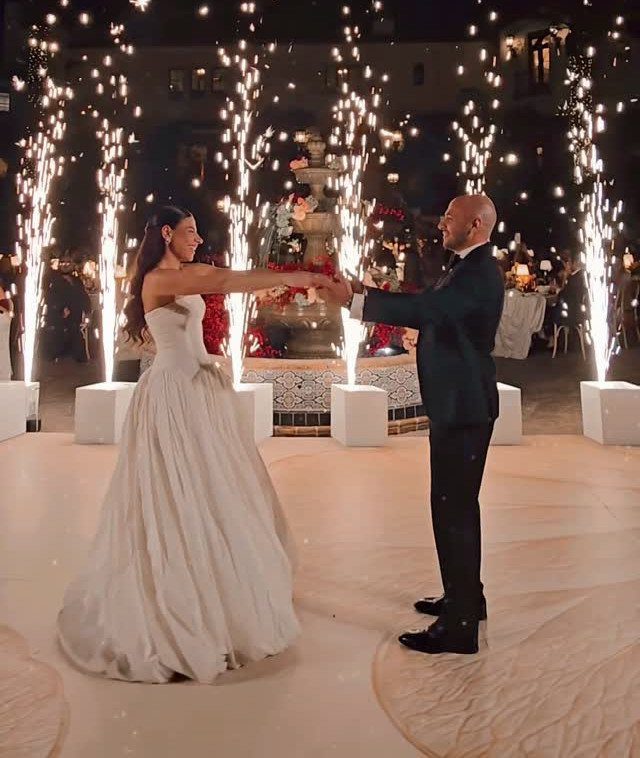
Sparkler fountains throwing light across a white dance floor give you bright, moving frames with no extra lighting setup.
Save this for after the formal parts are finished, when your ties are off and the crowd is still going.
Plan for the photographer to stay past the printed schedule, because the loosest moments of the night tend to come after it. The best late shots only exist if someone is still holding a camera.
6. The Sparkler Sendoff
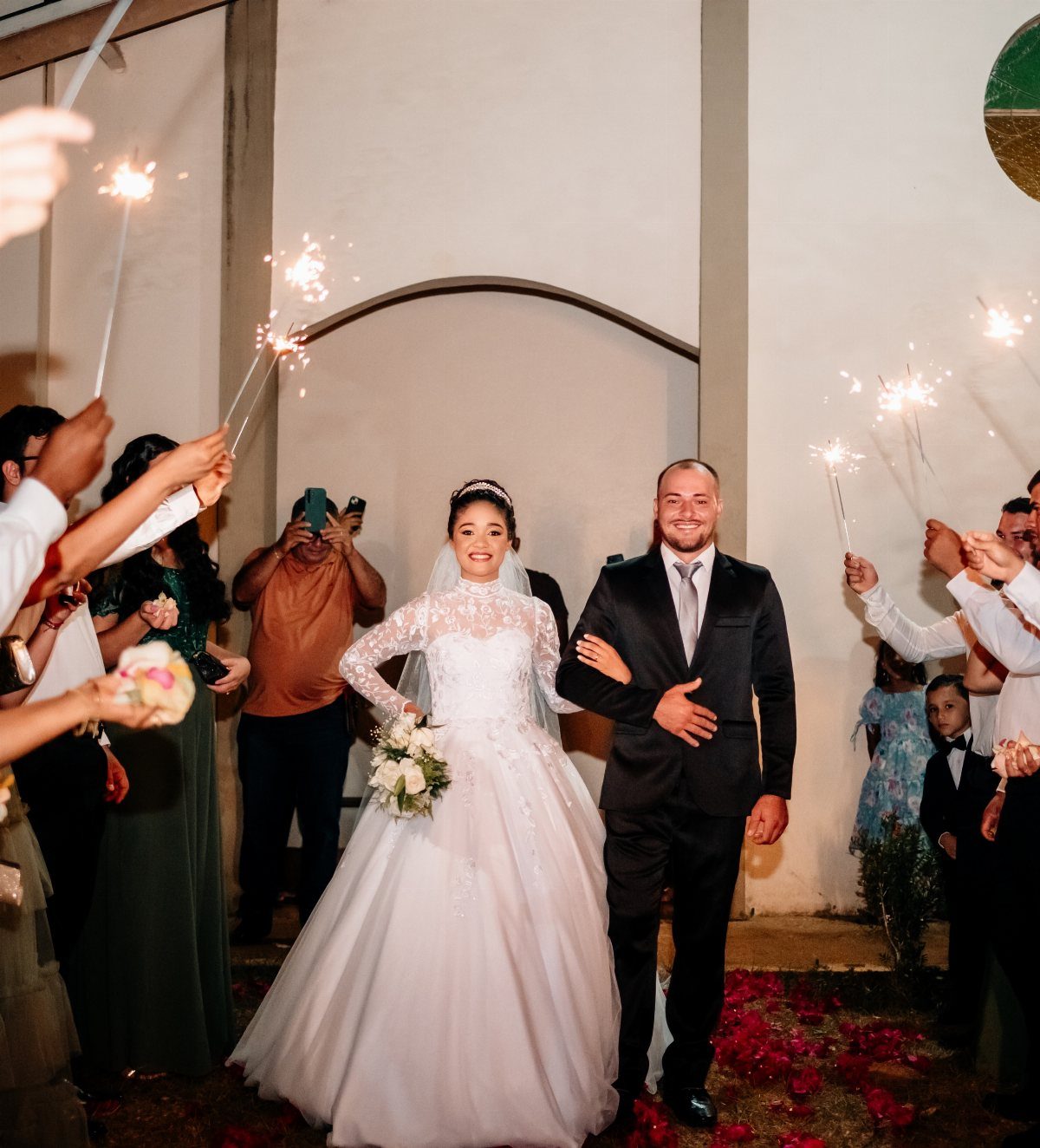
Line the guests up in 2 rows, light the sparklers, and walk through the gap. The plain wall behind the crowd in this setup keeps every eye on the couple and the glowing arms.
Hand out sparklers early so no one fumbles, and have a helper light them in quick succession.
Tell the photographer your exit time so they can get ahead of you. Do a second pass if the first goes by too fast.
7. Champagne Tower Pour
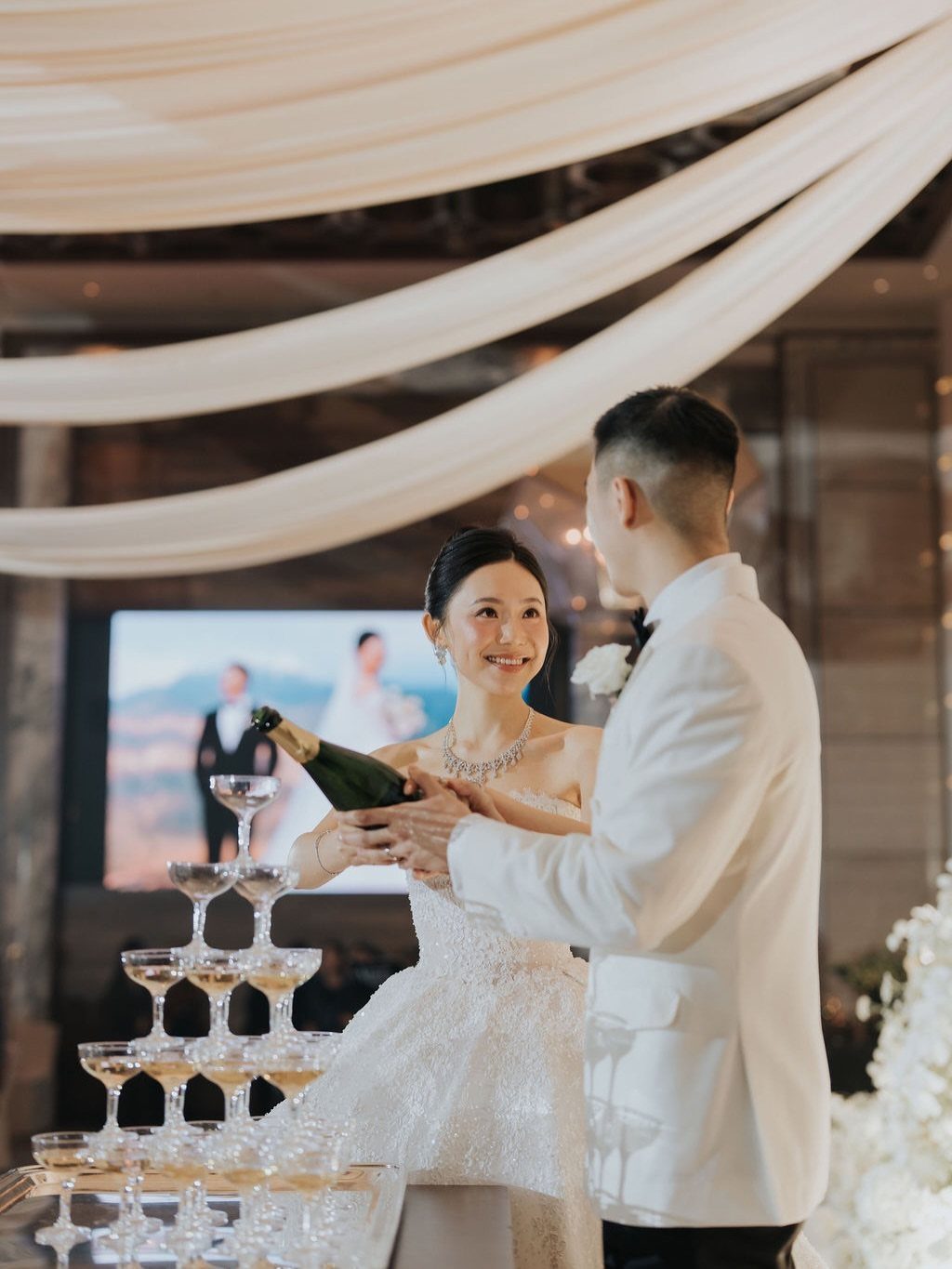
A champagne tower works because the pour is the picture, so pour slowly and together, one hand each on the bottle if you can manage it.
Coupes stack wide and shallow, which gives the liquid room to spill down tier by tier.
I’d ask the photographer to stand a little below the top glass, since the cascade reads best from there. Do it before the dance floor opens, while the room is still tidy and everyone is watching.
Expect to steady the stack. A wobbly tower is a stressful one, so have the caterer build it.
8. Cake Cutting Moment
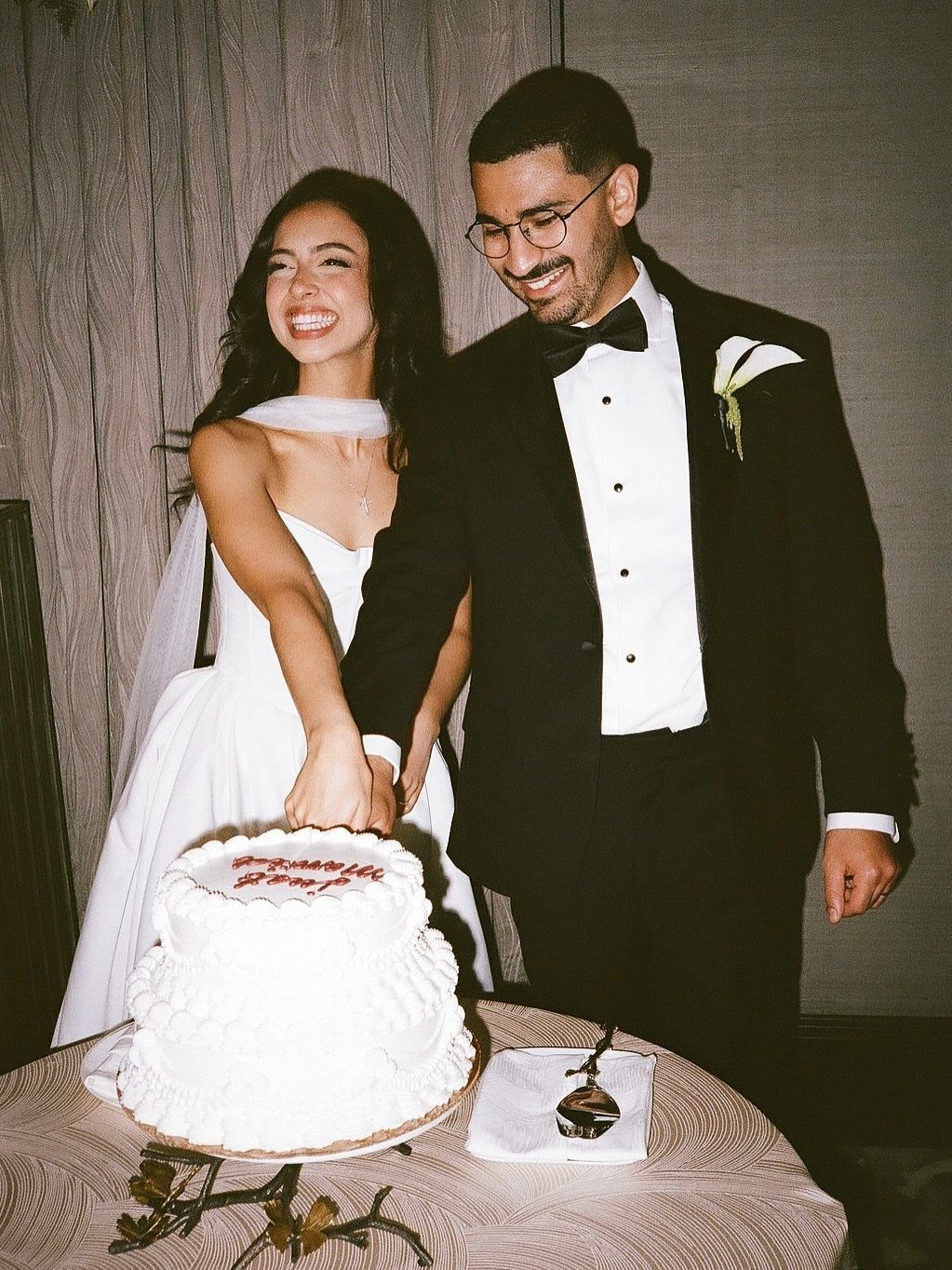
Cutting the cake is the one reception moment every guest knows to watch, so photographers can plan around it. Smiling at each other instead of at the knife gives you the warmer frame.
Tell the photographer the time ahead, and ask the DJ to announce it so people gather close.
I’d make the first cut small and slow, then pause for a second pass with the knife still in the cake. The first try is usually rushed.
A plain white tiered cake photographs cleanly, and a tidy table behind it helps.
9. Fireworks Behind the Cake
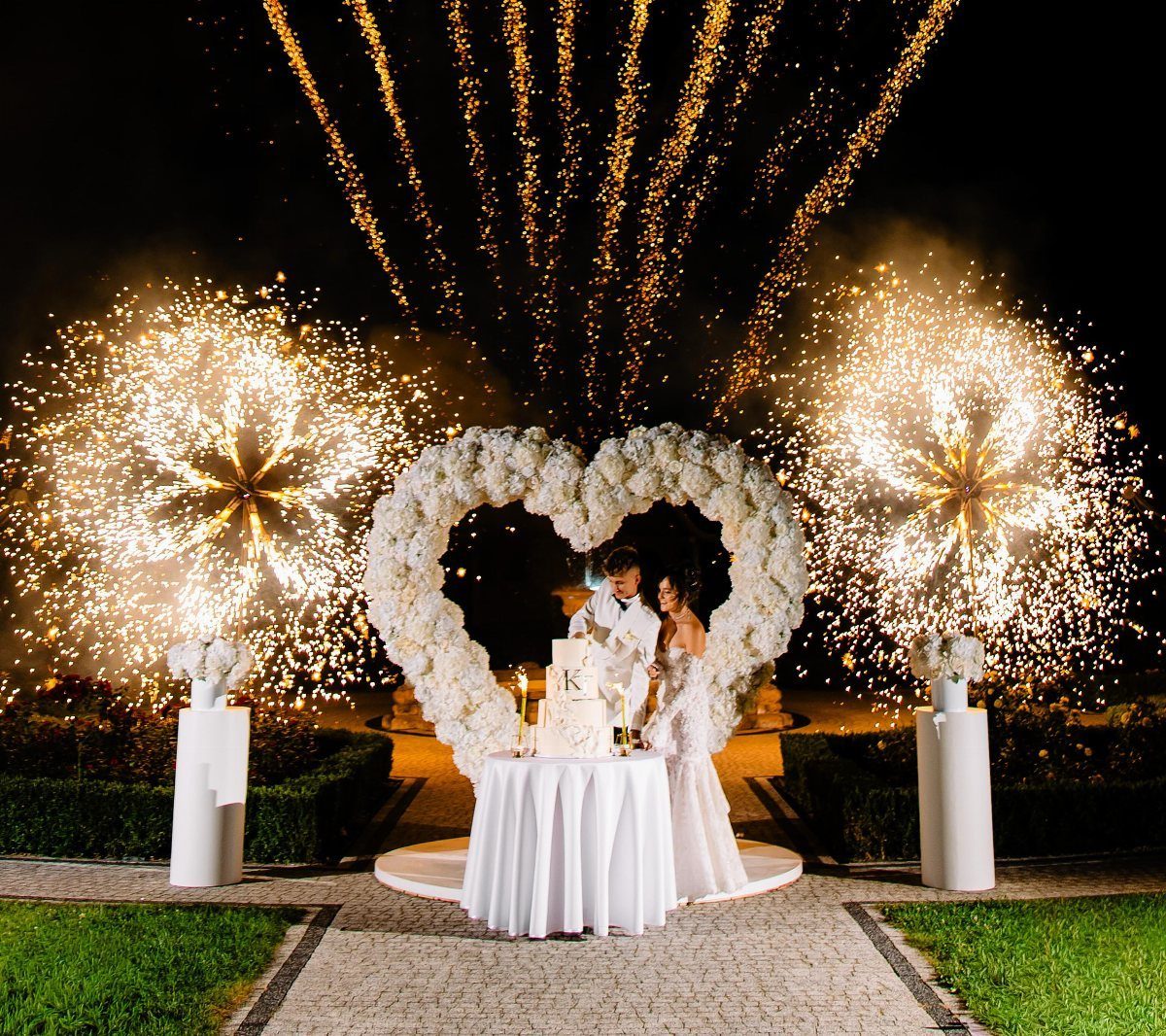
Fireworks behind the cake is the most expensive shot in any reception, so budget for it only if the venue already allows them. A cake and floral arch in the foreground give the sky something to frame.
Raise night work with the photographer weeks out, since the cake needs light of its own to stay sharp against the burst. Set the timing with whoever fires the show so you are standing in place when it starts.
On a modest budget, skip it; a sparkler exit produces a similar glow for far less.
10. Live Event Painter
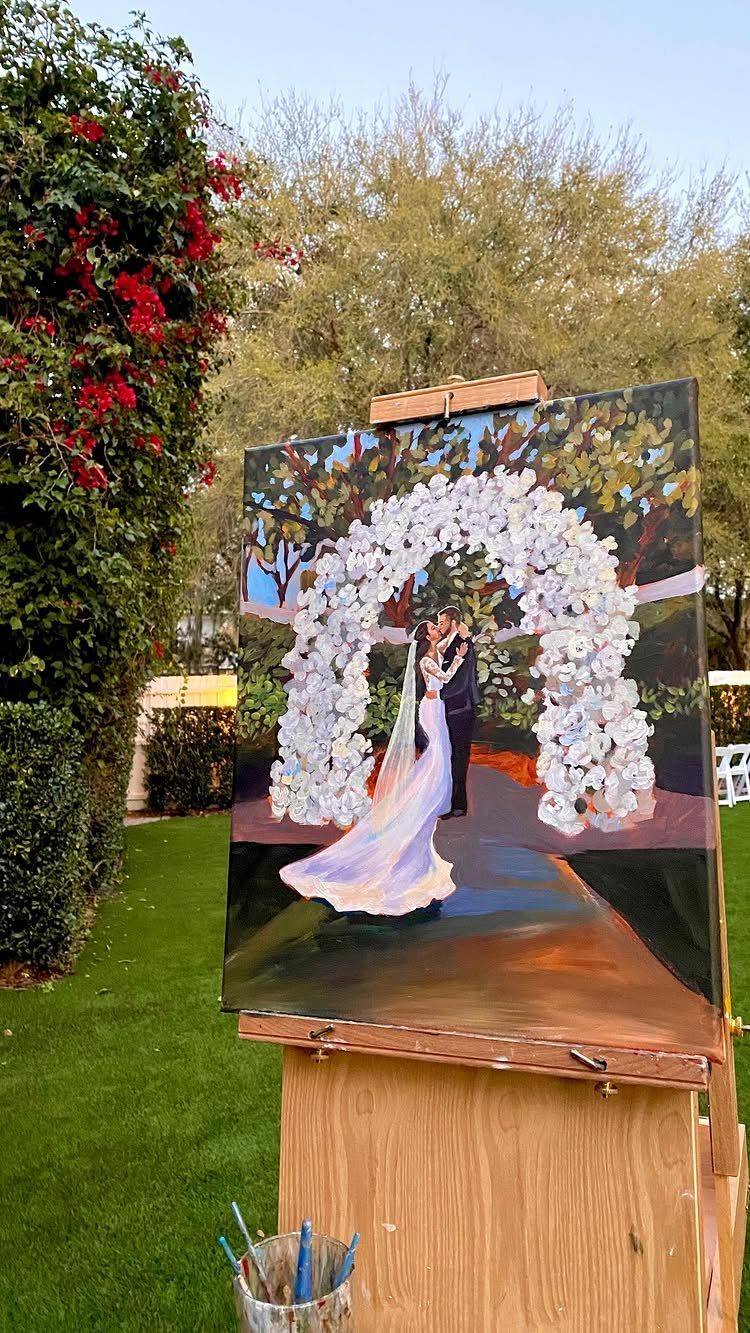
A live painter turns the ceremony or reception into a finished object you can hang. The easel sits at the edge of the party, and guests drift over to watch the canvas fill in.
I’d hire one who paints the couple under the arch, as here, and book early, since the work takes hours.
Ask for a quote up front. Cost varies widely and I won’t guess a number.
The photographer needs a heads-up too, so the painter’s easel gets planned into the shot list. The painter at work, brushes in a jar, makes a lovely detail shot.
11. Memory Lane Photo Display
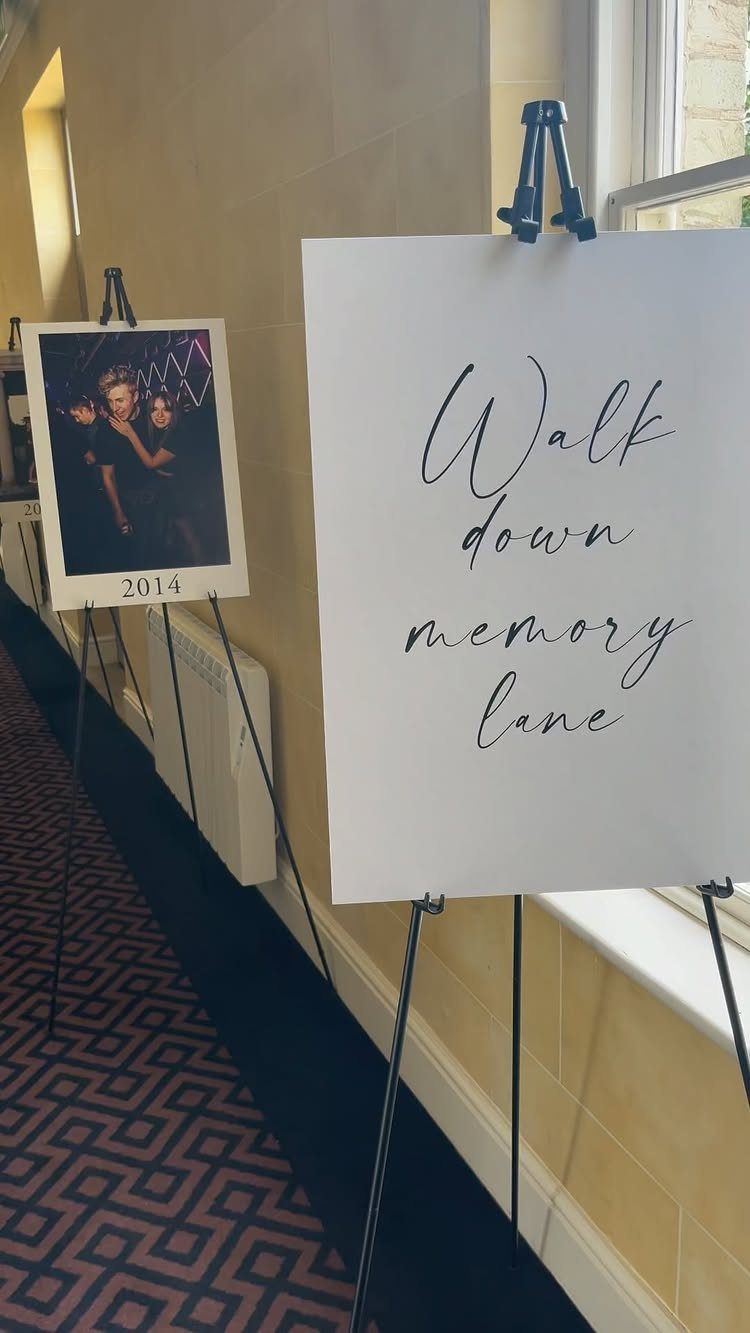
A hallway is the right home for a memory lane display, because guests move through at their own pace. 2 easels is enough: a sign to start the walk, then dated photos of you as a couple.
I like labeling each print with a year, as the "2014" one does here, so the story reads in order. Print them at a size people can see from a step or two away.
It costs little and gives your cocktail hour something to do. Frame only your favorites; a crowded wall gets skipped.
12. Kissing Bells Favor Board
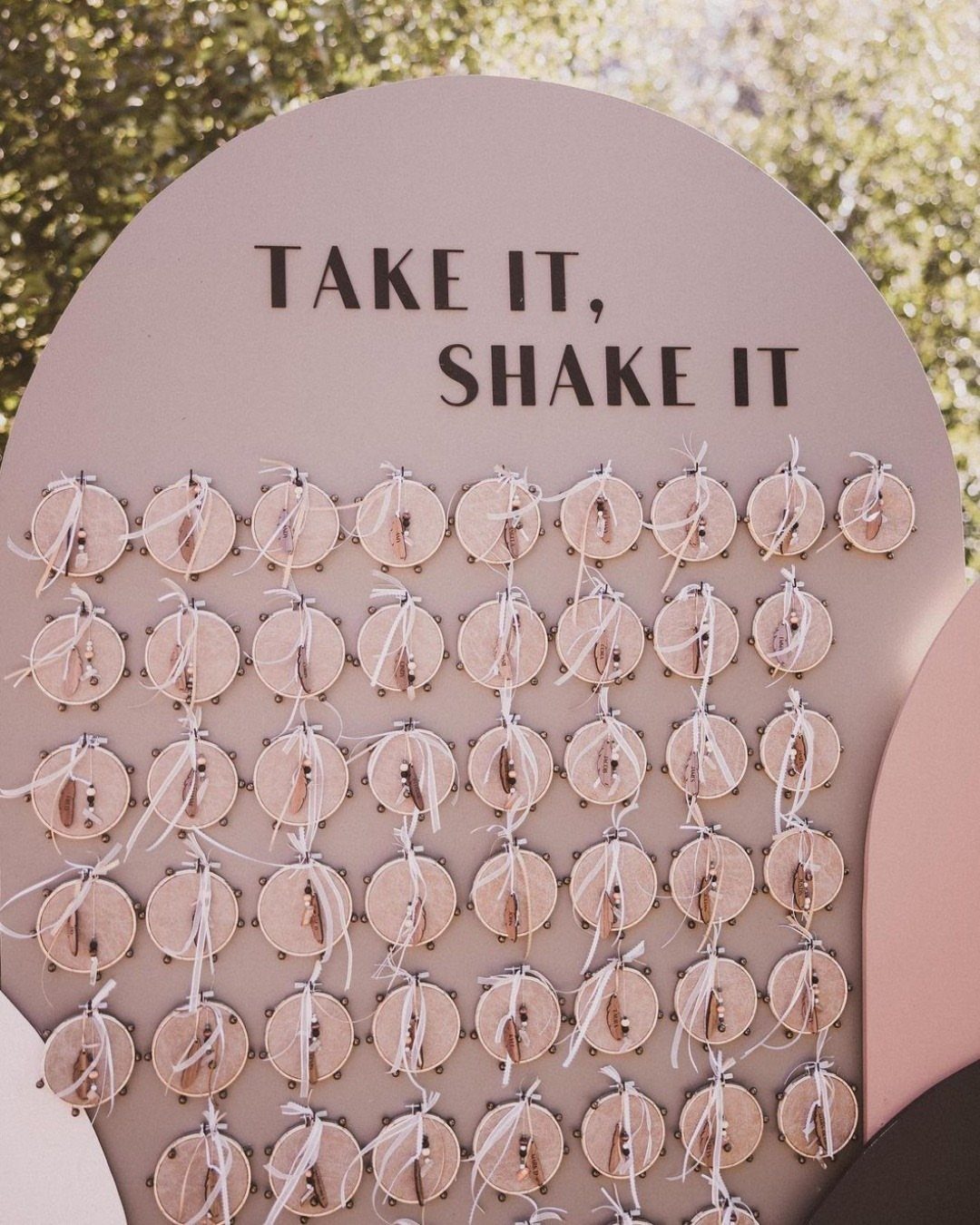
Instead of a toss, a board of small bells lets guests ring for a kiss. The "take it, shake it" wording tells people what to do without anyone explaining.
I’d set the board near the entrance so every guest picks one up on the way in.
Ribbons make them easy to grab. Have the host mention it once during dinner.
Make extras. A bell count that matches the guest list exactly runs out the moment someone takes two.
13. Table Selfies
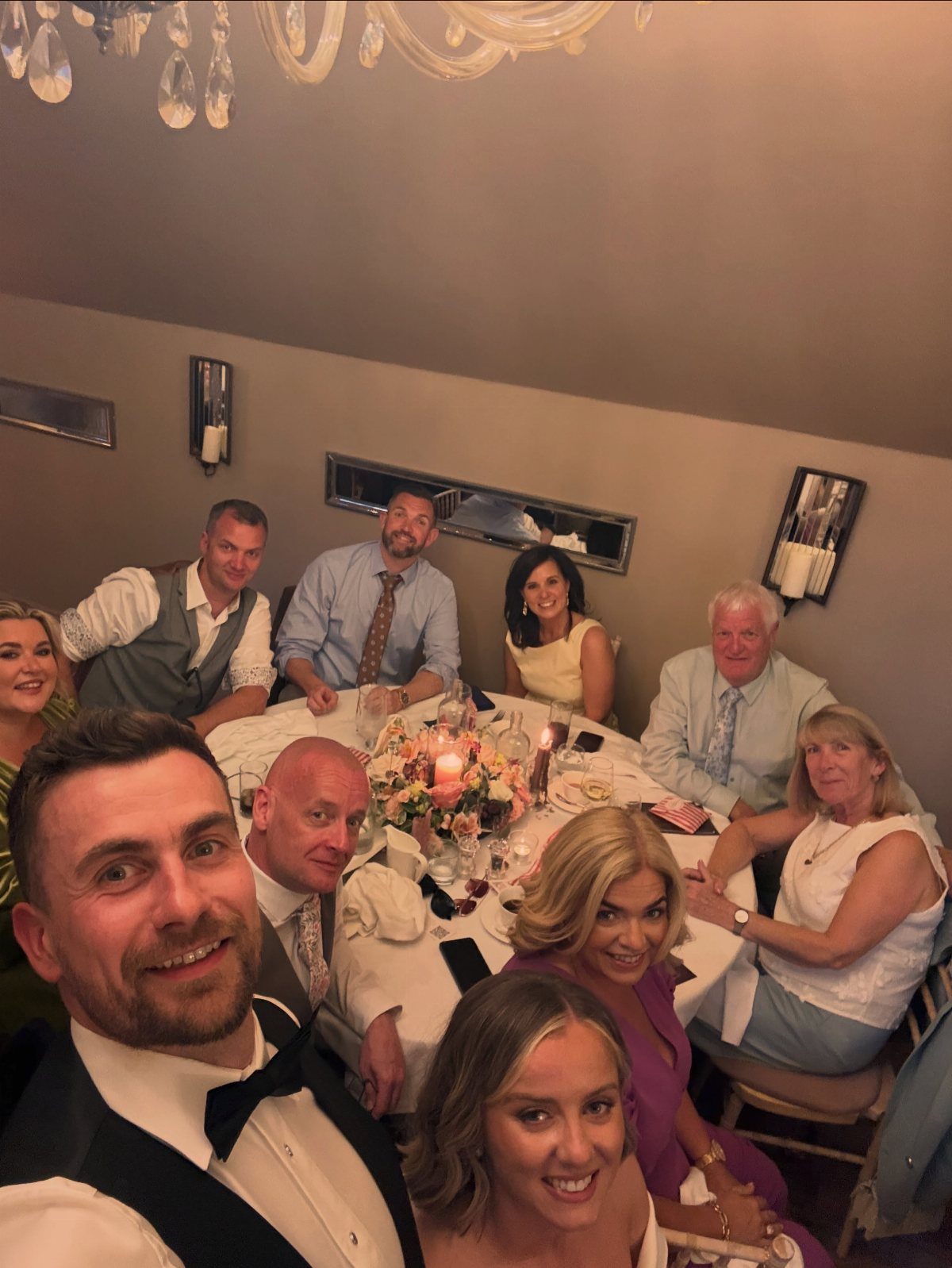
Guests hold the phone themselves, so a table selfie gets you faces the photographer never reaches. Everyone leans in, arms stretched, and the whole table lands in one frame.
I’d put a short note on each table asking guests to take one before dinner is served. Dessert is too late, when half the chairs are empty.
A crowded screen means someone gets cropped, so tell the group to hold the phone a little farther out. Then ask for the photos afterward.
14. QR Code Photo Sharing
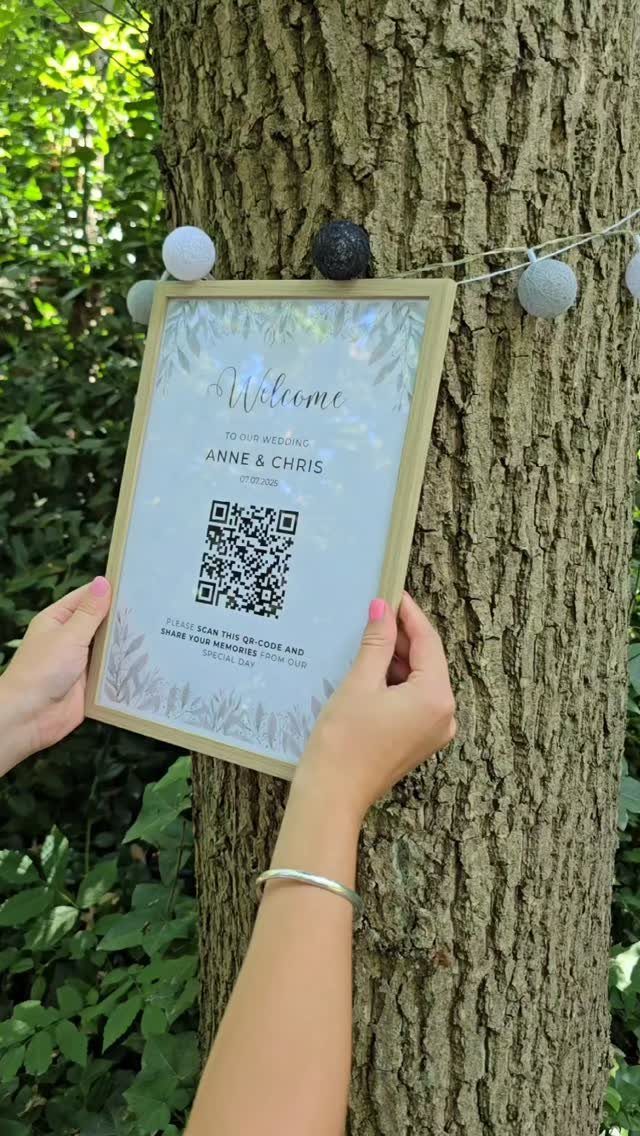
A framed welcome sign with a QR code sends every guest’s photos to one place. Print the couple’s names and the wedding date on it, as this one does, and the code does the explaining.
I’d stand it near the entrance and put a second one on the bar, since people take photos all night. Test the code on both an iPhone and an Android well ahead of the wedding.
Guests will upload blurry shots next to good ones. Keep your photographer’s work separate, and treat this as the bonus layer.
Balancing Guest and Professional Photography
Your photographer and your guests will each catch things the other misses, so tell both what their job is.
Your hired photographer covers the moments on the schedule, but your guests will catch the loose, unplanned ones from the dance floor, the back tables, and other spots a pro can’t be standing in.
Ask the photographer which moments they want clear sight lines for, and pass that along to the guests through your host or a sign. Then let guests have everything else: the cocktail hour, the dinner tables, the dance floor.
If you want your photographer’s polished work and the loose, personal shots both, plan for each from the start. Together they give you a fuller record of the day from several angles.
Designating Photo-Free Moments
Pick the moments that get your guests’ full attention, then say so out loud. The ceremony is the one I’d protect, because your photographer needs clean frames and your guests will remember it better without a screen in between.
Ask your officiant or DJ to make the announcement right before each one, and put a short note on the program as backup.
People follow a request more easily when they hear it once, kindly, and know when the phones can come back out.
The ceremony is the easiest one to enforce. For the ceremony, I’d ask guests to keep their phones in their pockets, then let them shoot freely once the reception starts.
Frequently Asked Questions
What are some good ideas for taking photos at a wedding?
Start with the moments guests already watch: a slow champagne tower pour, a cake cutting where you smile at each other, and a sparkler sendoff down a line of guests.
Add a quiet golden hour portrait before the cake and loose dance floor candids. These work because each one has a built-in moment of action, and a photographer can plan around it.
Where is the best place to get wedding photos printed?
For enlargements, look for a print shop that offers giclee printing, because that method holds sharper detail and truer color than a standard photo lab.
Professionally shot photos can often go to at least 16×20, which fits on a table or easel, and the most common wedding sizes are 18×24, 20×30 and 24×36.
Plenty of venues ban tape, nails and hooks on their walls, so count on freestanding easels to display your prints.
What is the 30-5 rule for weddings?
I can’t give you a reliable answer on that one, because nothing I’ve worked from defines it.
If a vendor or planner mentions it, ask them to spell out what it means for your timeline before you build anything around it.