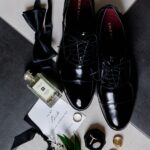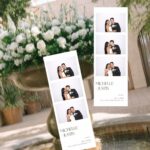
Some of these cost almost nothing, like the Veil caught in a gust of wind or The Rings on a invitation card, while the Venue Aerial Shot can mean paying for a separate drone operator.
Your venue and your light decide which of these become yours: sunset time, whether you do a First Look, and how much open space the Scenic Landscape Couple Portraits and the Venue Aerial Shot need all change what the photographer can deliver.
1. Ceremony Moments
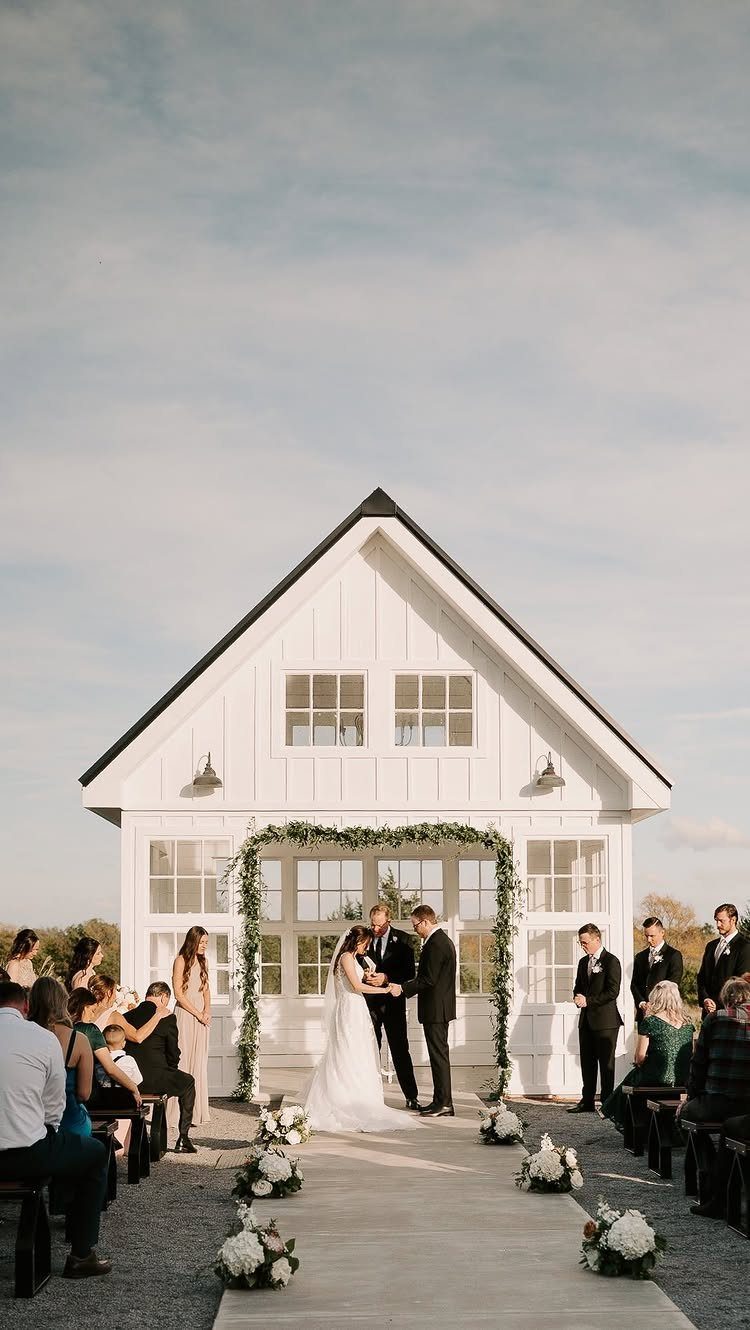
The ceremony is long, but the shots that matter come in a handful of seconds: the processional, the vows, the ring exchange, the kiss, the walk back up the aisle.
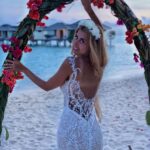
Have the photographer shoot the guests’ faces too. With a floral arch and a crowd in rows, you get reactions from parents and friends, and those will mean more to you than a third wide shot of the arch.
2. First Dance
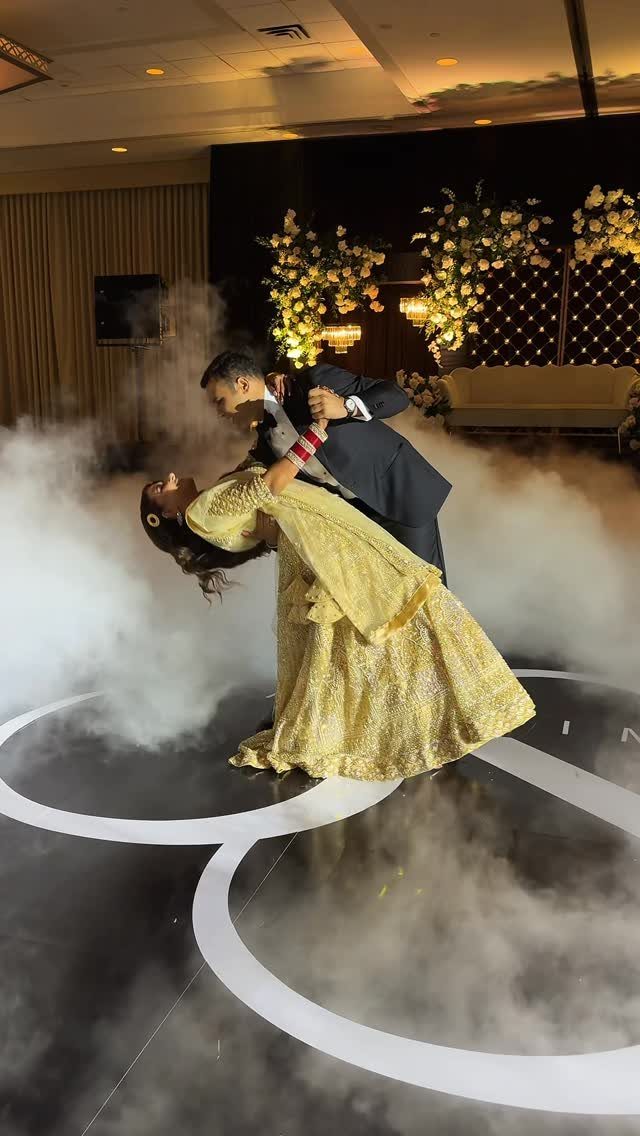
A dip at the end of a first dance gives a photographer one clean, dramatic frame, and I’d plan it in advance rather than hope it happens.
Practice it at home a few times, because a dip done for the first time in a long gown goes wrong fast.
Fog or haze adds atmosphere but hides detail, so mention it to the photographer before the song starts. Keep the spotlight simple, and request some close shots of your hands and faces, along with the full-length spin.
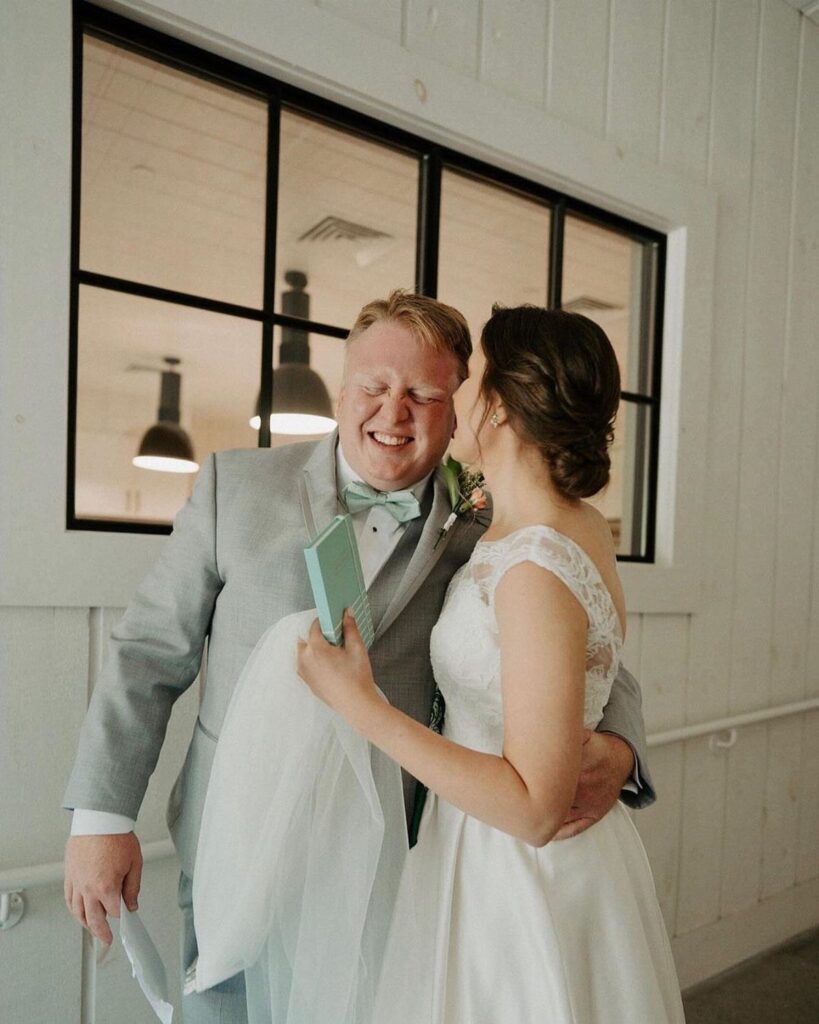
3. First Look
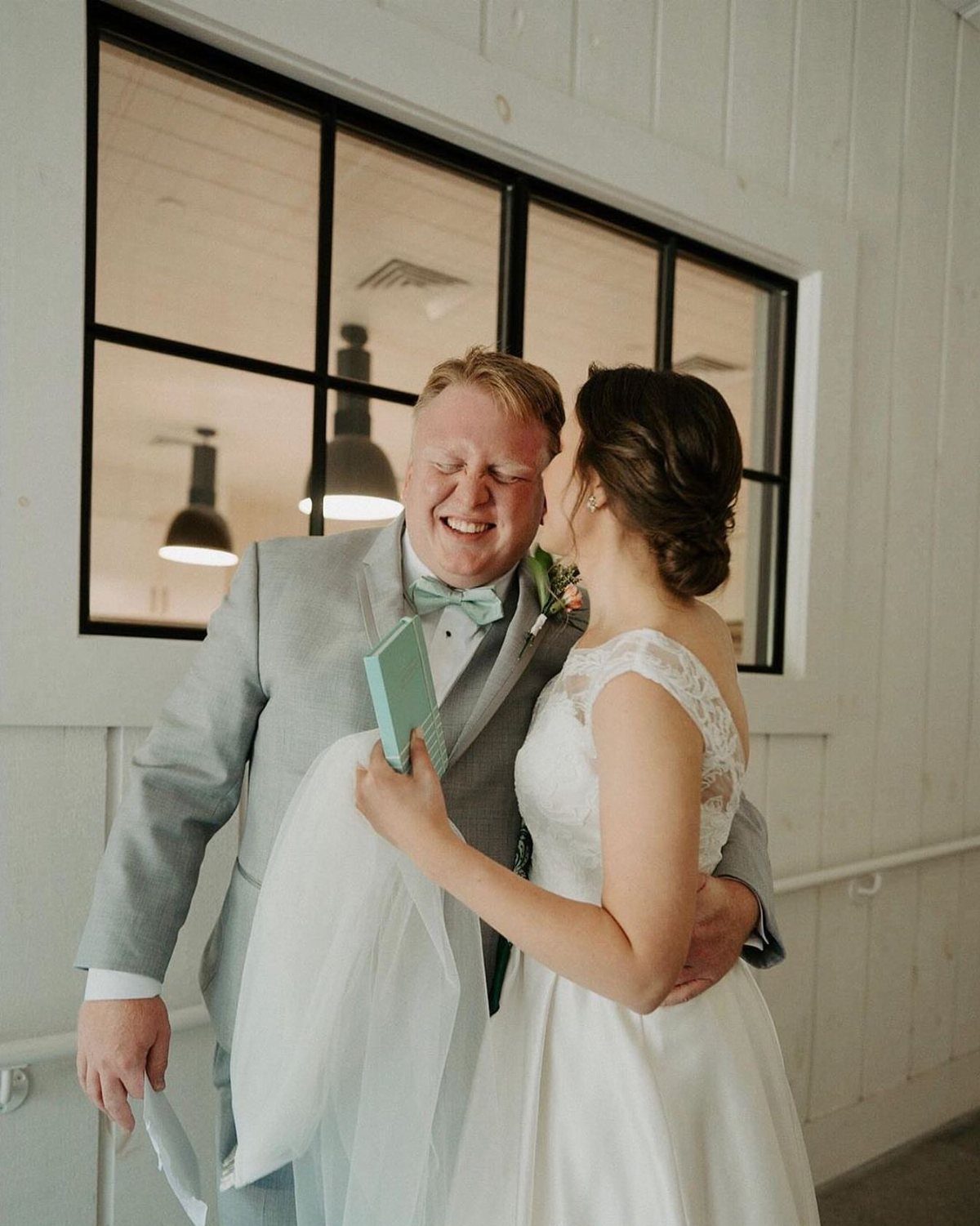
Seeing each other early trades a little tradition for something I rate higher: a stretch of quiet time with no audience, where the first reaction gets caught honestly.
Choose a room with soft window light and a door that closes. A small keepsake, like the book the groom holds here, gives his hands something to do and gives you a detail shot.
Tell the photographer to stay back at first, then move in once the hug has landed.
4. The Wedding Party
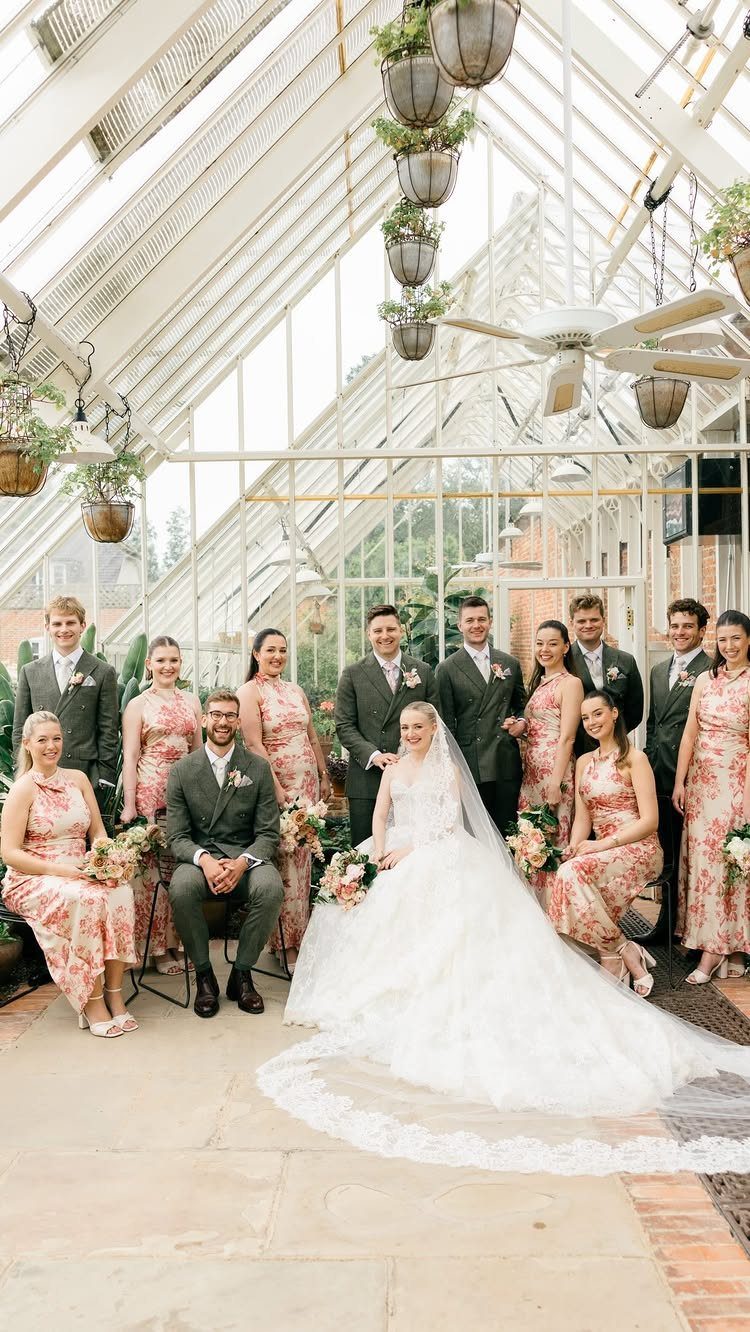
A big wedding party in one frame only works when the space is bright and the photographer can stand back, and a glass-walled greenhouse does both. Center the couple, then let the rows fill in on either side.
Shoot the formal version first, then a loose one with everyone laughing or cheering. Plan for the second shot; it’s usually the one that ends up framed.
Large groups take patience, so leave more time than you think you need.
5. The Rings
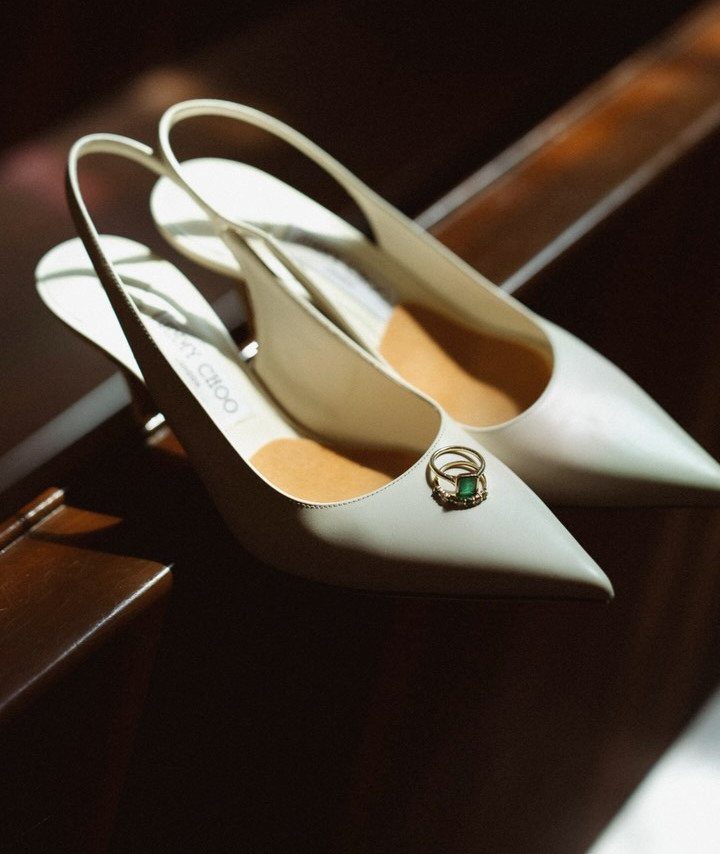
Rings photograph best on something you already own, and bridal shoes work well: the shape gives the metal a place to rest, and the detail shot doubles as a shoe photo.
Hand your photographer both rings and the shoes early in the morning, before the rush, so nothing is shot in a hurry.
6. The Exit
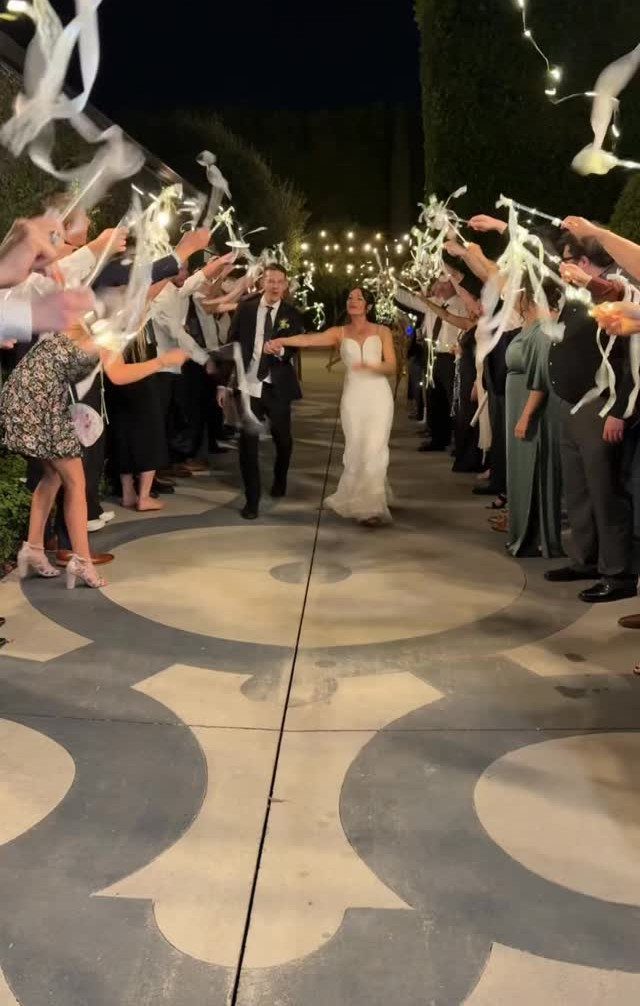
Guests lining up with white ribbons makes the exit feel like a send-off, not a quiet slip out the door. Hand them out before the last song so everyone’s ready, and keep the tunnel to a straight line.
At night, the ribbons are easy to see but light is scarce. Talk to the photographer about an off-camera flash or lights near the path, since a dark pavement will swallow the shot.
Ribbons beat sparklers if your venue restricts flame, and they cost little.
7. Groom’s Portrait
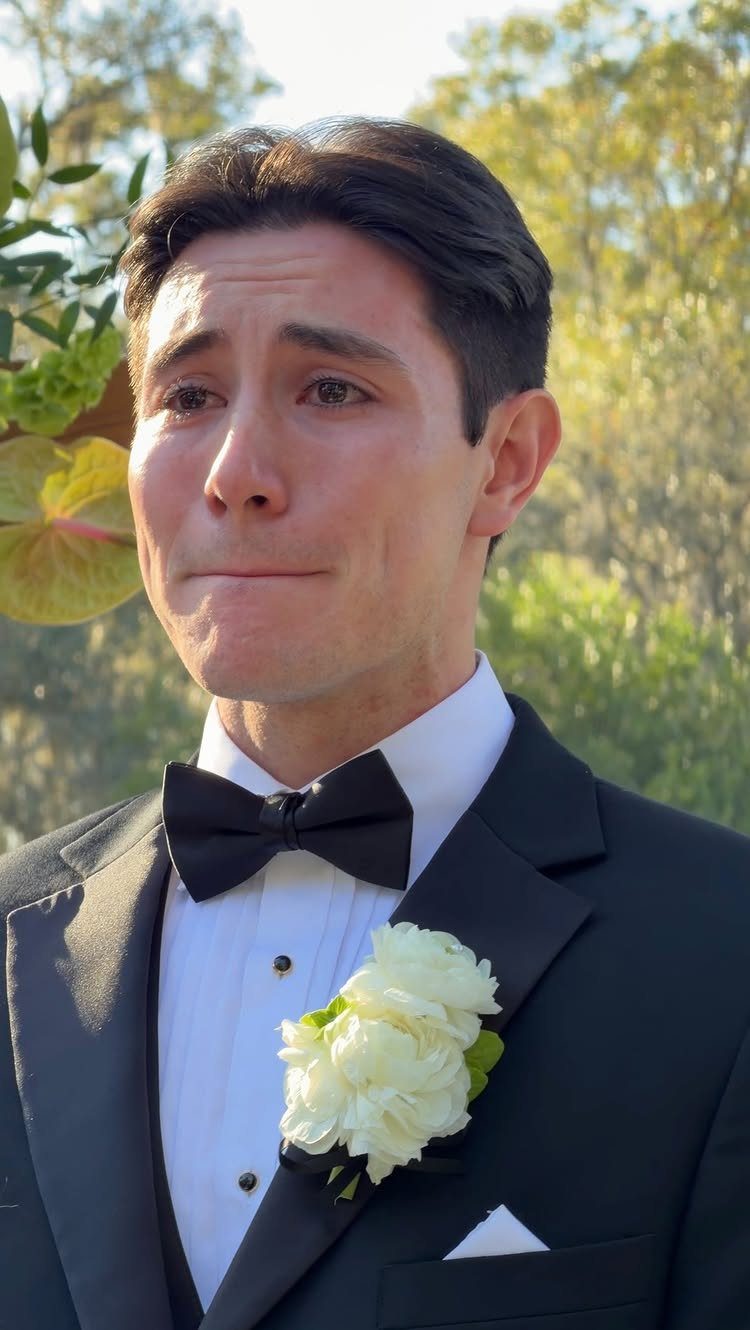
Ask for a few minutes with the photographer before the ceremony.
Outdoors with trees behind him, the background stays soft and the eye lands on his face.
Tell him to look away from the lens for a few frames. The unposed ones are usually the keepers.
8. The Invitations
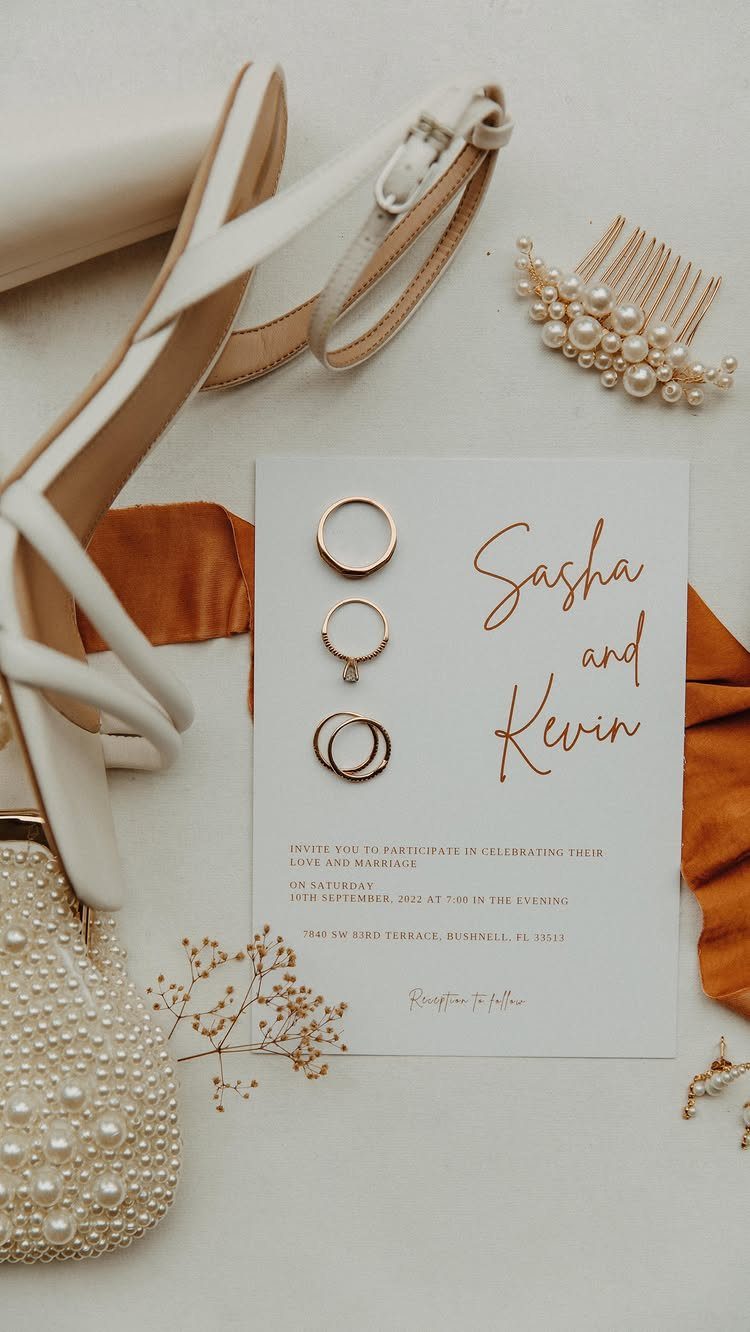
Give the photographer a finished invitation, plus spares, before the wedding day.
Printers often deliver extras, so ask for them. Pull the card, envelope and any inserts together so the whole suite can be shot at once.
9. The First Kiss
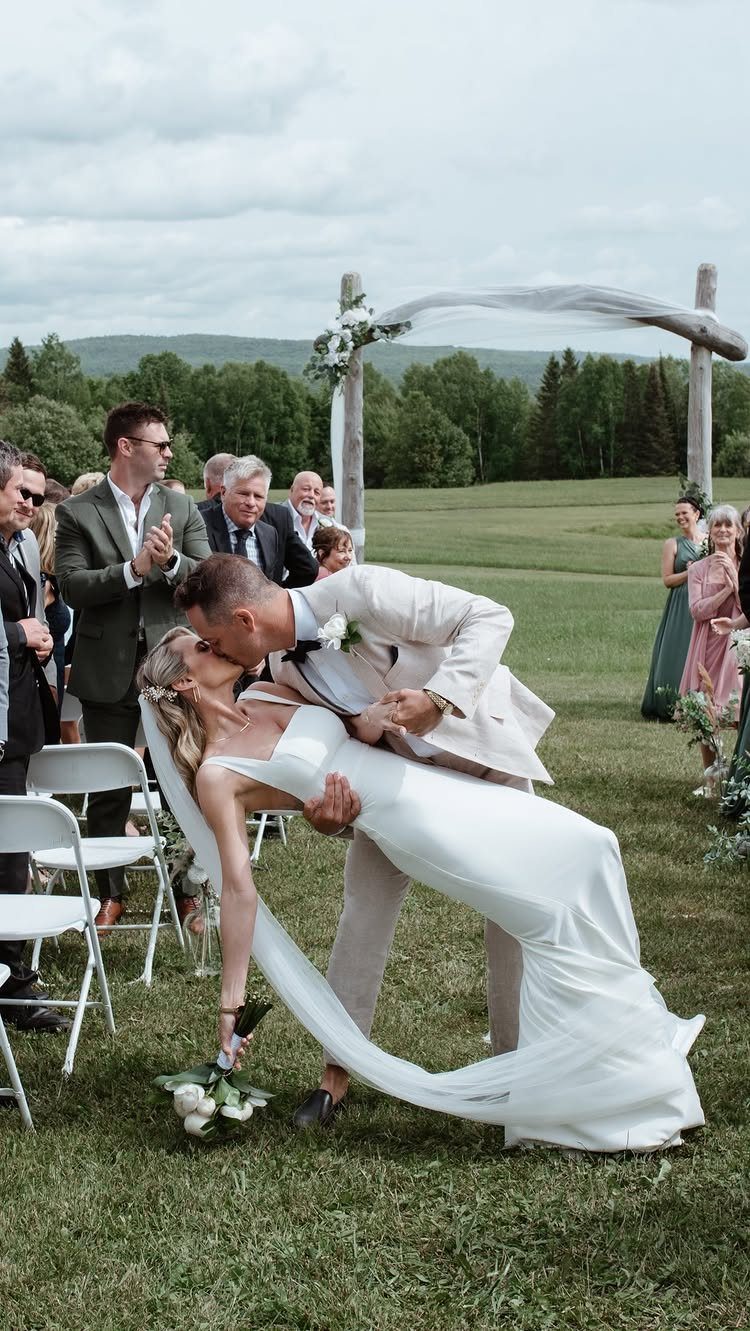
A first kiss lasts a couple of seconds, so agree on the plan before the ceremony. A dip like this one reads clearly from the back row and gives the photographer a strong, readable frame.
Rehearse it once, especially in a long gown. Pause a beat before the kiss and hold it a moment longer than feels natural; a quick peck is easy to miss.
Tell the photographer where you’ll stand so they can pick an angle that includes the guests and the arch.
10. The Cake Cutting
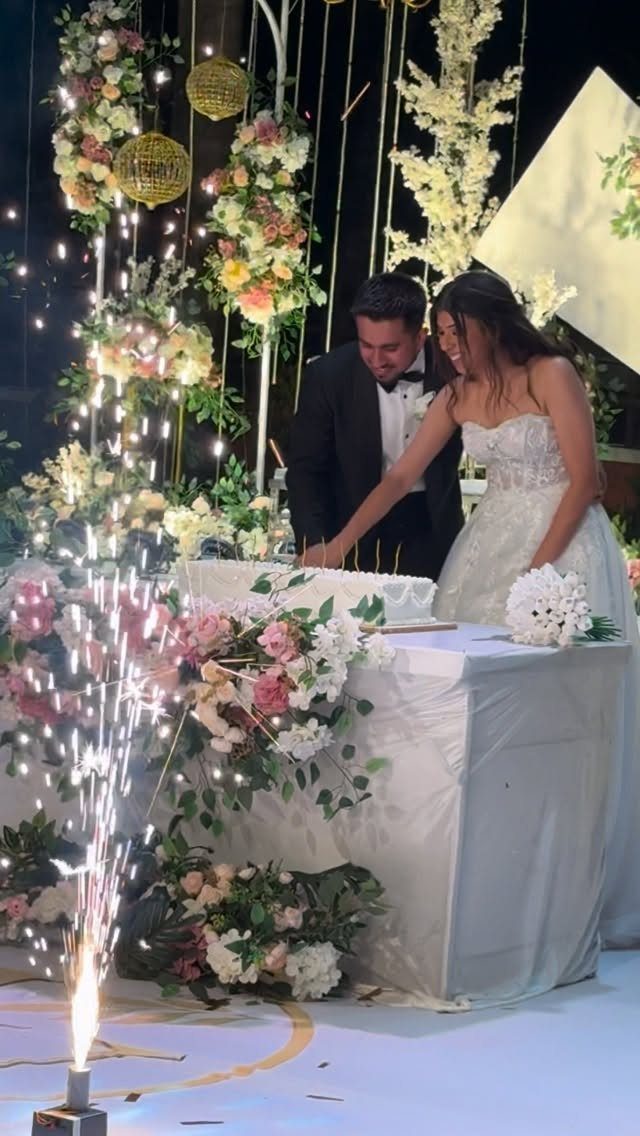
Cake cutting is staged by nature, so I’d decide on one or two angles with the photographer ahead of time. Sparklers and flowers around the table, as here, add light and movement, though ask your venue whether sparklers are allowed.
Keep the cake table tidy and well lit, and cut slowly. Hold the knife together for a few extra seconds so the photographer can shoot it more than once.
11. The Reception Spaces Decor
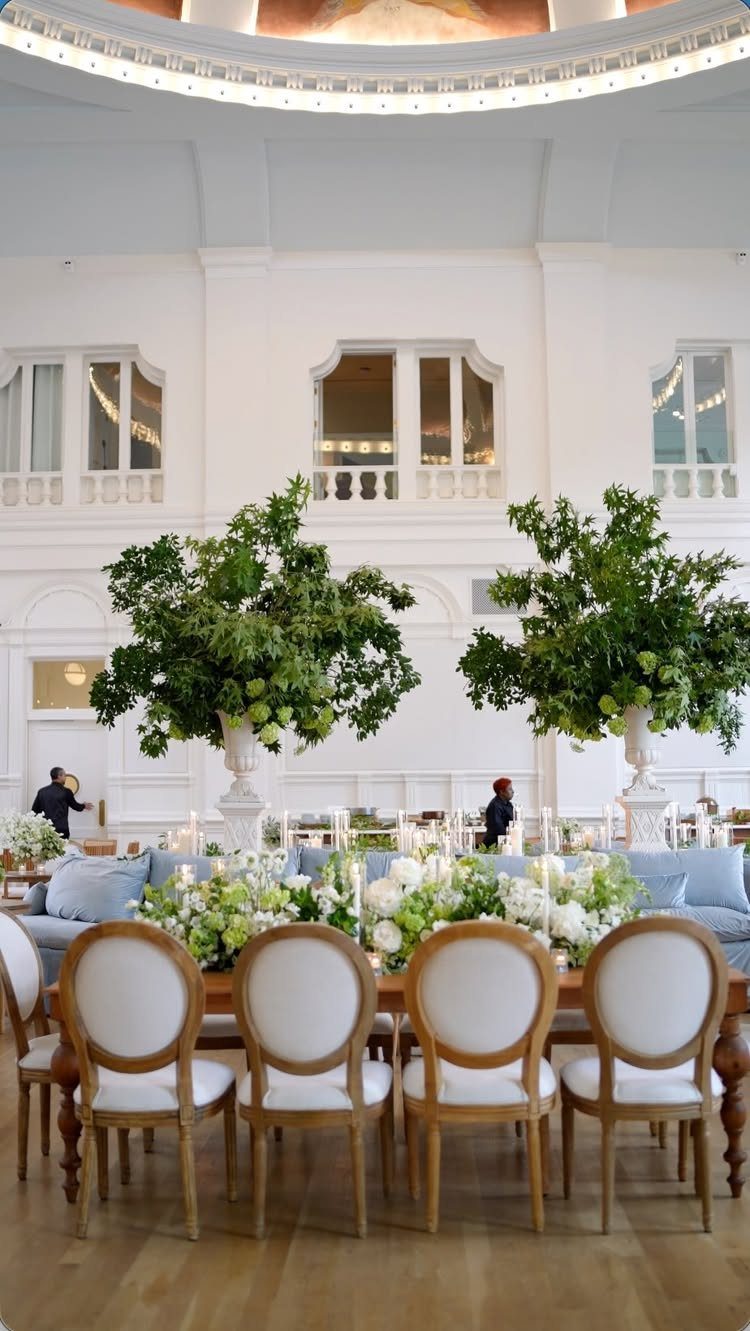
An empty room is worth shooting before guests arrive. Reception decor looks best when no one has touched it yet, so ask the photographer to come in early.
Ask for wide shots and close ones of the centerpieces.
Decor is often where a lot of the budget went, and a clean record of it is worth having. Clear stray bags and coats from view first.
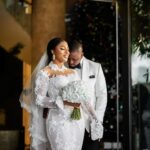
12. The Veil
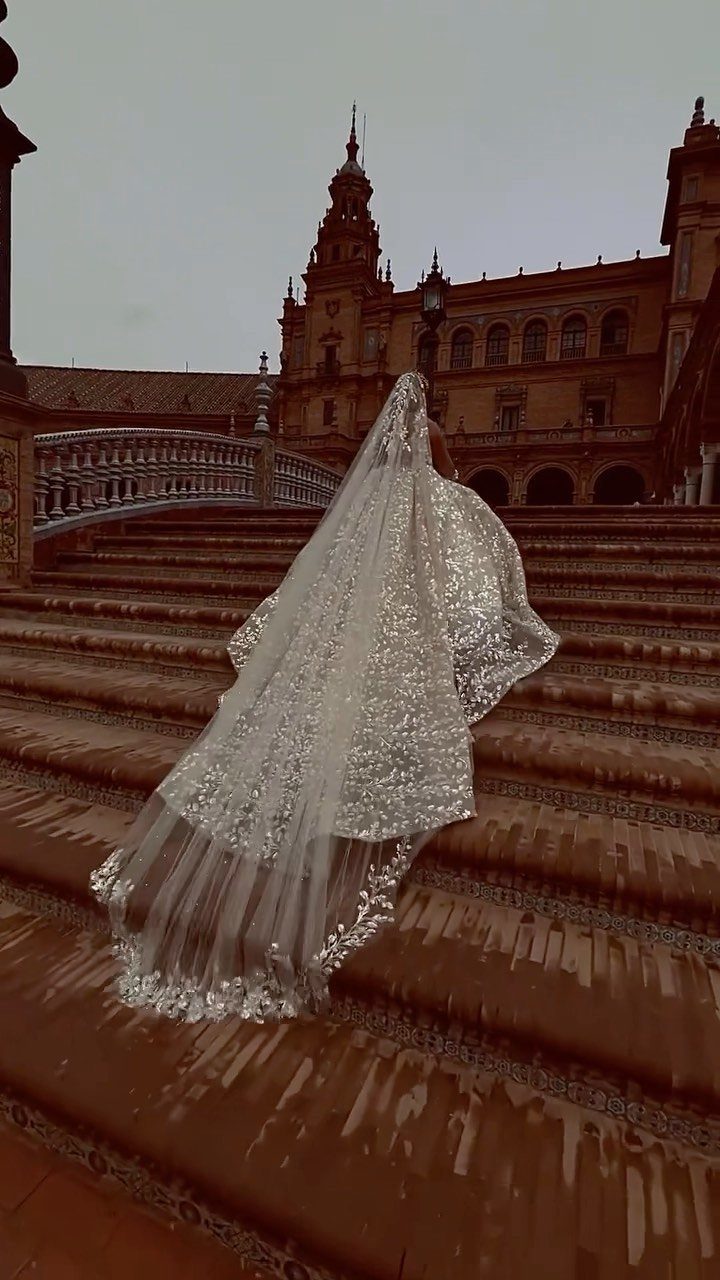
A veil gives you more shots than almost any other single piece. Long lace trailing down stone steps, as here, shows its full length, and shooting from behind keeps the focus on the pattern.
Have someone off-frame fan out the train so it lies flat.
For variety, ask for a close-up of the lace edge, then one with wind lifting it. I’d choose the long steps shot first, since the length is what you paid for.
13. Photos with Pets
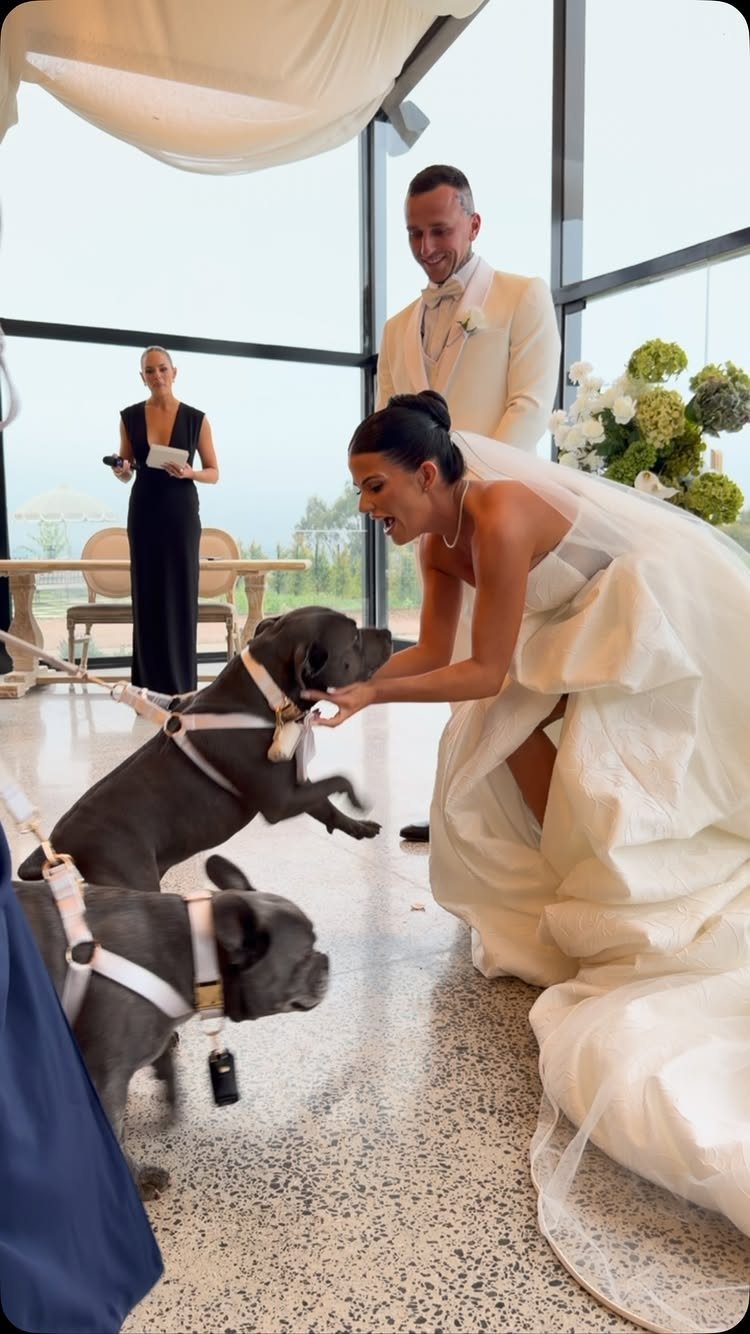
Dogs rarely hold a pose, so I’d give them a job before the portraits start. Have a friend or the person in the black dress handle them off-frame, and keep treats in your pocket.
Shoot near big windows, where soft light lands on white fabric and gray fur alike. Get down to the dogs’ level for a few frames; the faces matter more than the full-length shot.
Schedule the pets early, before they tire.
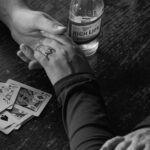
14. Candid Reception Dinner Laughter
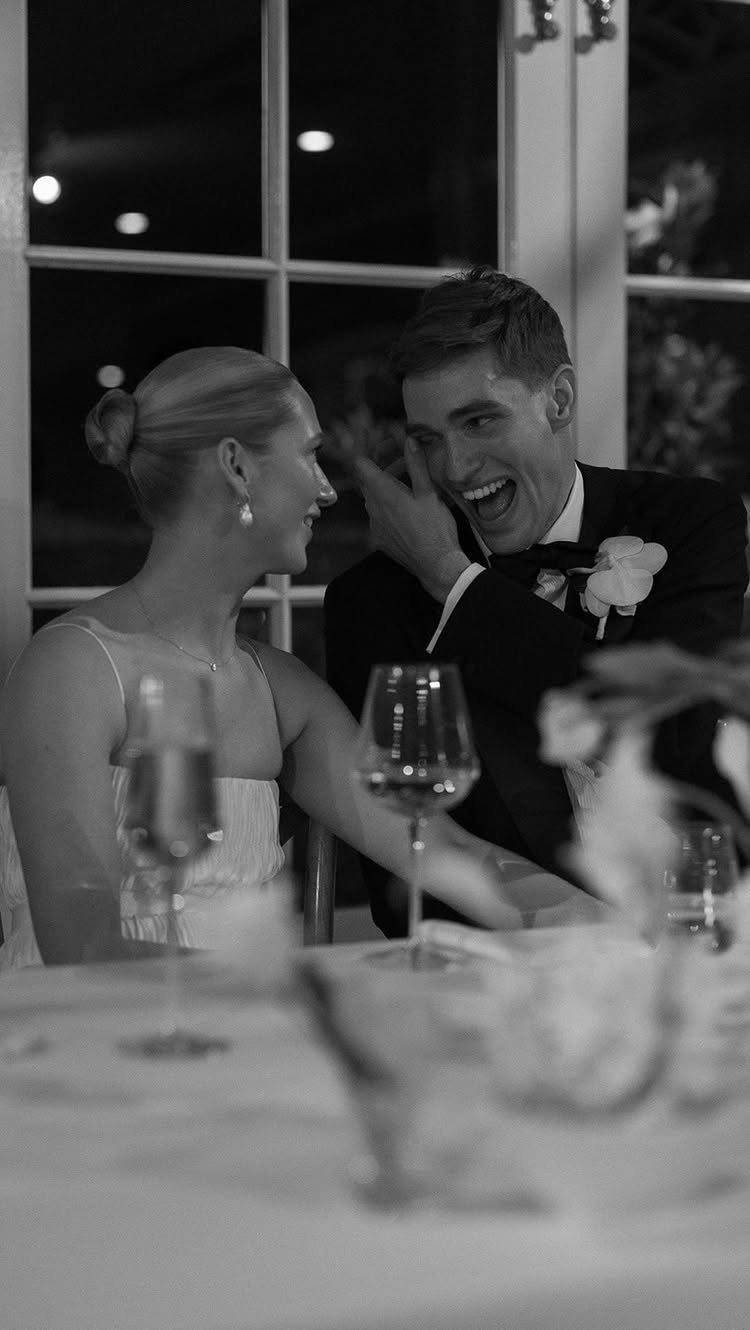
Dinner is when you finally sit still, and a laugh across the table beats any posed portrait of the two of you.
Black and white suits this kind of frame, since it strips out the clutter of glasses and place settings and leaves the expression.
Ask the photographer to stay a few tables back with a long lens so you forget the camera. Keep the candles low, and talk to each other instead of the room.
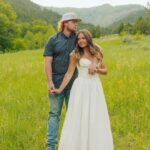
15. Scenic Landscape Couple Portraits
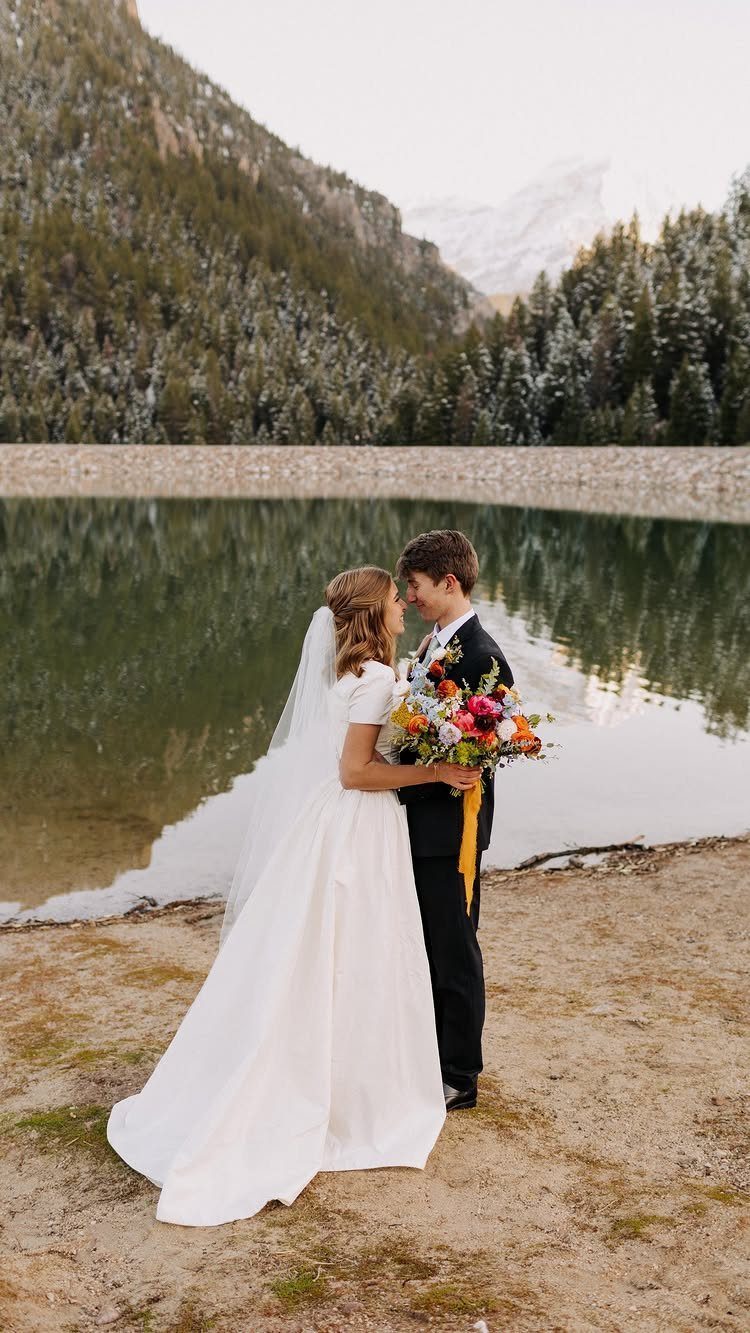
Mountains and a lake do most of the work, so I’d spend the portrait time getting the two of you into the scene rather than adding props.
Ask for one wide frame where you’re small against the peaks and one tight frame on your faces. A long gown and train need a helper to keep the hem clear of the shoreline.
16. Venue Aerial Shot
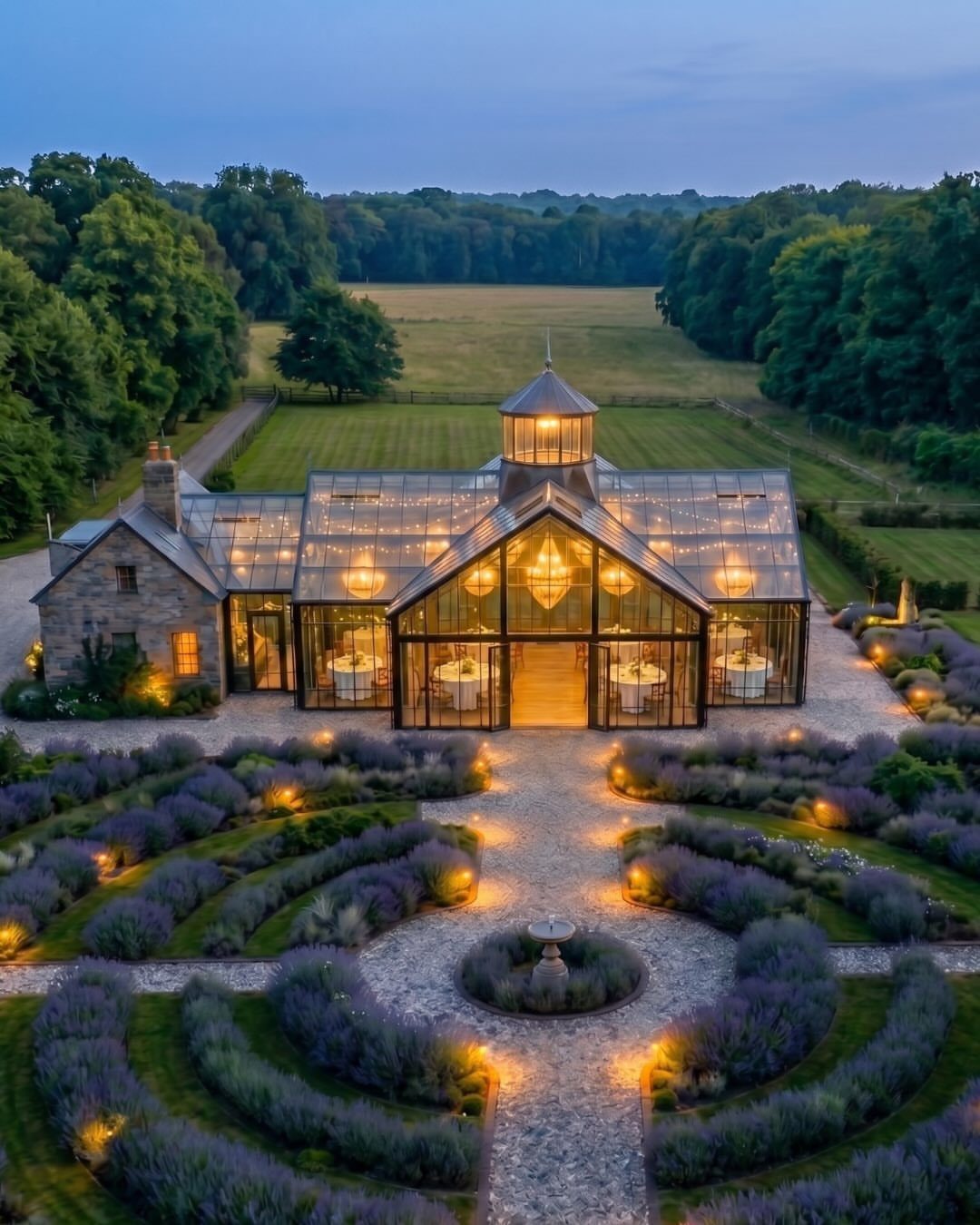
An aerial shot shows the whole venue, which no ground-level photo can do. Dusk is my pick for a venue aerial: interior lights glow warm against the grounds while the sky still holds some color.
Ask your photographer whether they fly a drone, or whether you’d need to hire a separate operator. Check with the venue first, since many have rules about flying.
17. Groomsmen Lawn Games
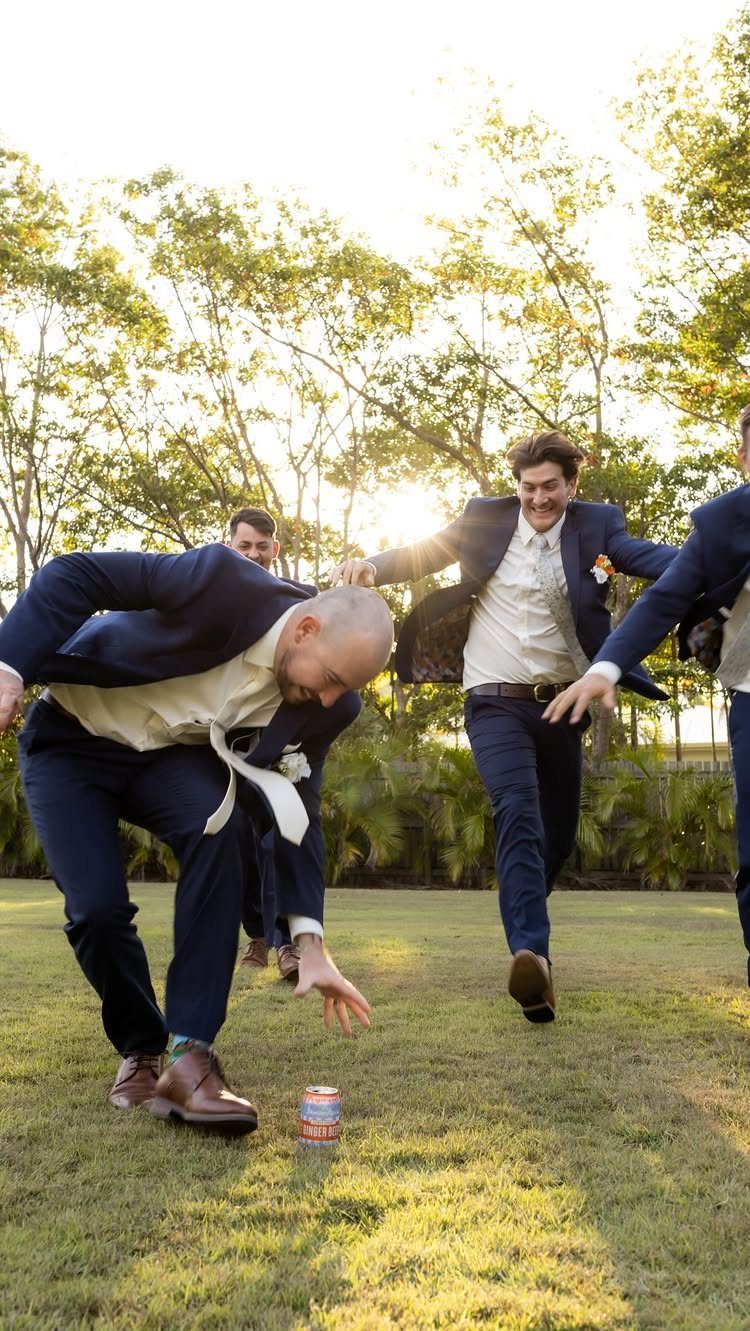
Lawn games give the groomsmen something to do besides stand in a line, and the loose, goofy frames are the ones they’ll want later.
Pick games that work in suits, like cornhole or ring toss, and set them up on flat, open grass.
Shoot in the afternoon when sunlight comes through the trees.
Ask the photographer to catch the reactions, not just the throw. Keep drinks nearby, and jackets on for at least a few frames, since matching suits read best as a group.
Creating a Shot List
Pick 6 photos you can’t live without and give that short list to your photographer before the wedding.
Keep the shot list to those 6 frames, and the photographer has room to catch the unplanned, funny moments between the ones you asked for.
Hand it over and then forget it. Nobody should be pulling a checklist from a pocket during the day; the photographer carries it so you can enjoy yourselves.
Name specific people on it. Six months later, "I wish I had a picture with my grandfather" or "my childhood friend" is a miss you can’t fix, and one line on the list prevents it.
Your photographer will shoot plenty regardless. The list only matters for the things you’ve specifically envisioned, so say those out loud.
Timing for Photos
Build the timeline around the light, and check your date’s sunset time first. Sunset comes earlier in some seasons, and that shifts everything.
Count backward from sunset: I like the ceremony to start about 90 minutes before it, which leaves the last hour of daylight free for portraits.
Trees at your location can block the sun earlier than the posted time, so plan for that.
Block out at least 10–15 minutes for portraits in that golden light, and more if you can spare it. Squeeze the schedule and you’ll get nice but surface-level photos.
Skipping a first look pushes every portrait after the ceremony, so a late afternoon start is the safer choice because the light will still be good when you walk out.
Have a rain plan too; clear umbrellas photograph well, and it’s worth asking the venue early whether an indoor room or a tent can serve as the backup spot.
Candid Vs. Posed
Posed and candid shots do different jobs, so decide how much of each you want before you hire. Posed frames give you the portraits you can hang; candid ones catch the reactions you’d otherwise miss.
If you feel awkward in front of a camera, lean toward candid. Photographers who shoot that way say it’s the reason natural moments matter so much, and I agree.
Ask to see a full gallery, not a highlight reel, to judge how a photographer handles unplanned moments. Experience shows in how well they anticipate a reaction before it happens.
Then let the day flow. Once your must-have list is handled, stop directing and let the moments come.
Frequently Asked Questions
How do I create a wedding photo checklist?
Pick the frames you can’t live without and keep the list short, around 15–20 must-haves.
That leaves your photographer room to catch the unplanned moments in between. Name specific people, like a grandfather or a childhood friend, because that’s the miss you can’t fix 6 months later.
Send the list a week or two ahead and then let it go; the photographer carries it, so you can enjoy yourselves instead of checking off frames.
What should I discuss with my photographer?
Go over your must-have shots, the people you want pictured, and how much posed versus candid work you want. Give them your timeline along with the sunset time for your date, so portraits happen while the light is still soft.
Also cover specifics like a first kiss dip, fog or haze at the first dance, or an off-camera flash for a night exit.